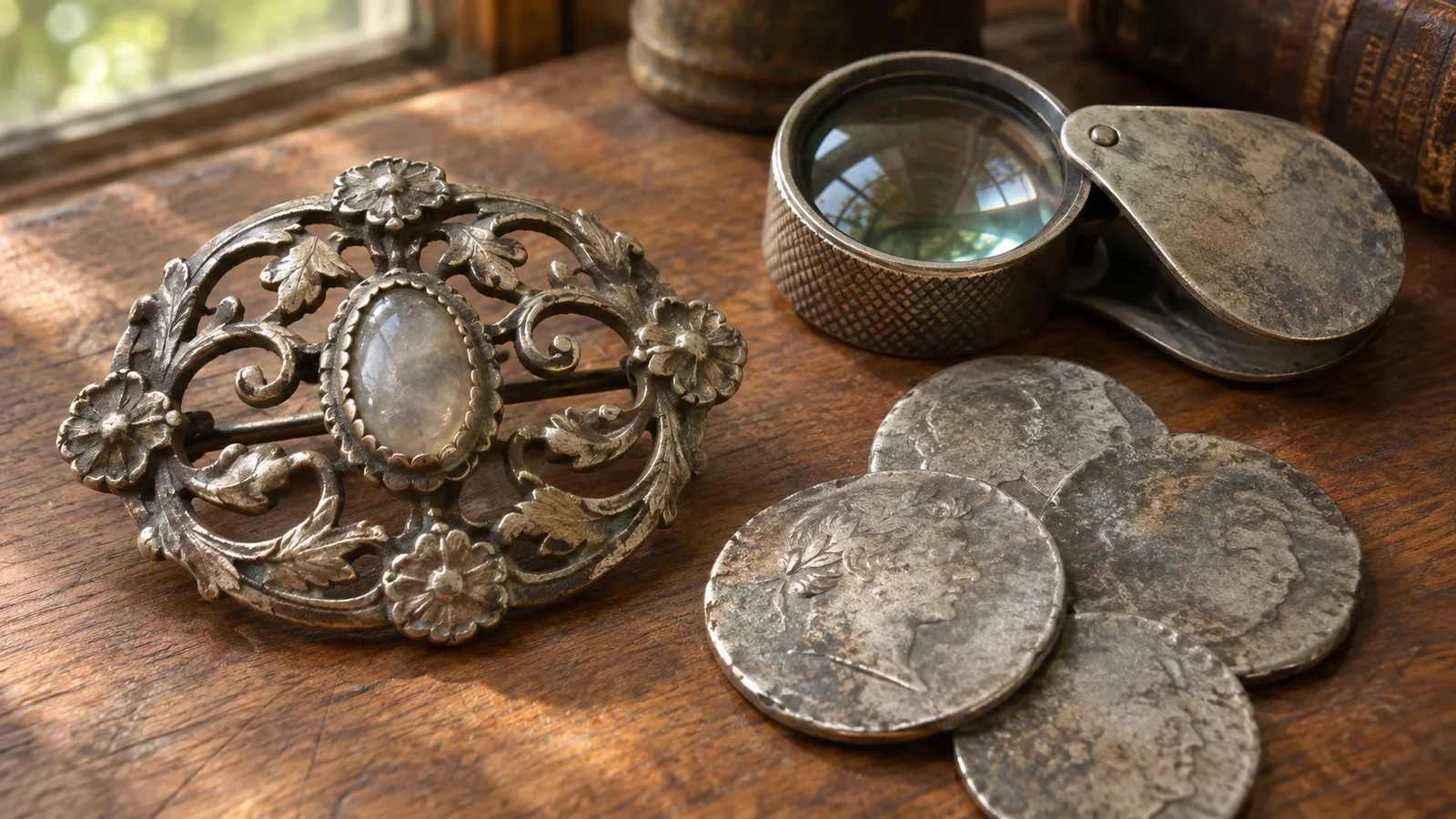
Coin Grading Scale Basics: How to Evaluate Your Old Coins
Pulling an old coin from the ground is thrilling, but determining its condition takes an objective eye. Here is how the Sheldon coin grading scale really works.
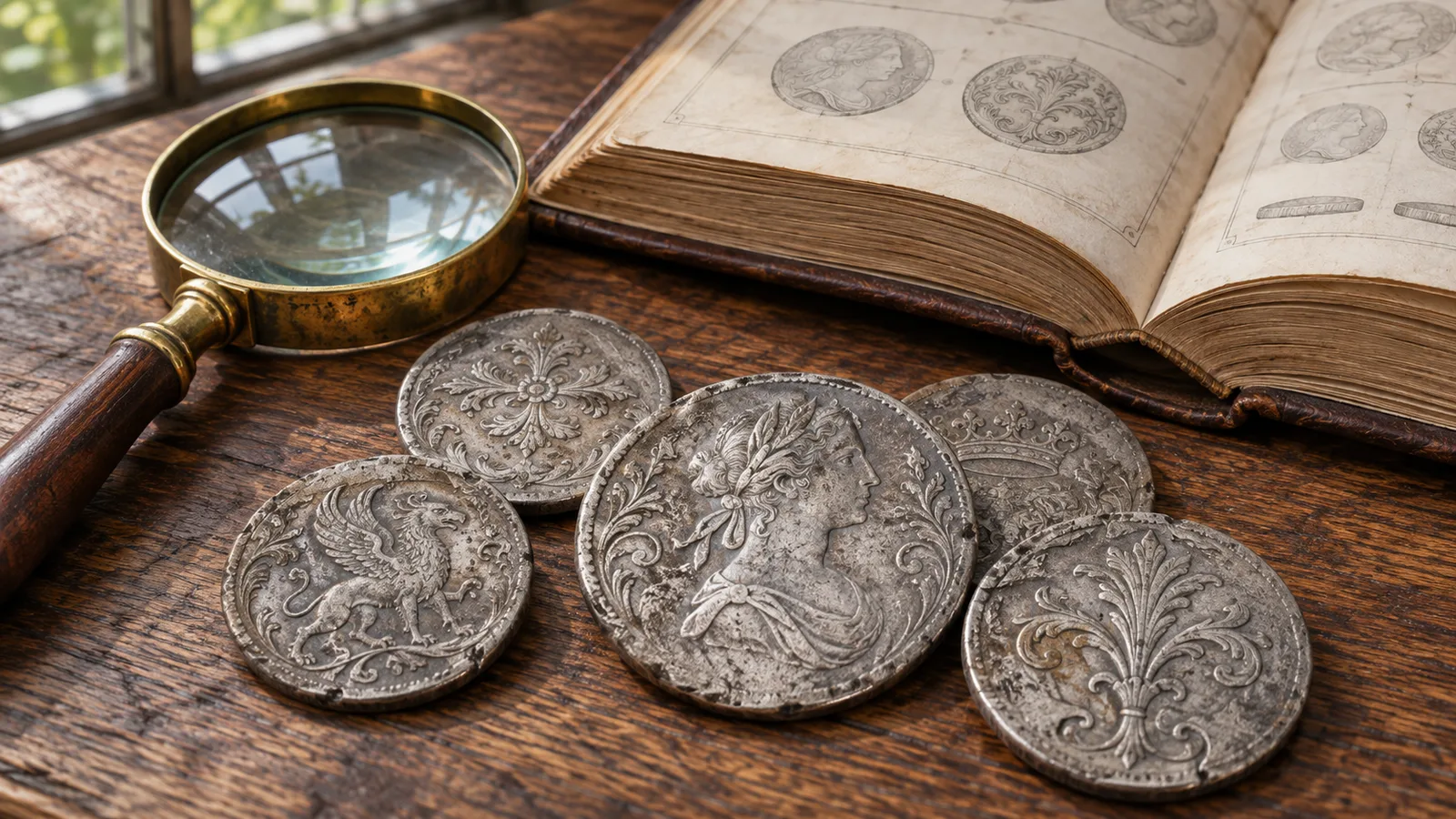
The first time I pulled an 1894 Barber quarter from five inches down in a dried-up cow pasture, my hands shook with adrenaline. The coin had clear lettering, a legible date, and felt like a small fortune resting on my palm. Convinced I had unearthed a museum piece, I rushed to a weekend coin show and asked a veteran dealer for an appraisal. He peered through his magnifier, gave a gentle chuckle, and explained that while the coin had decent details, ground exposure had reduced its grade significantly. That humbling day convinced me to study the coin grading scale in earnest. Whether you collect store-bought pieces or pull relics from farm fields, learning how to grade coins allows you to evaluate your collection realistically, speak the language of numismatists, and avoid overpaying when adding new pieces to your display album.
Condition is the single most powerful factor determining what an old coin is worth. Two identical quarters minted in the same building in the same year can differ in value by thousands of dollars based solely on the microscopic wear across their surfaces.
The Foundation: Understanding the Sheldon 70-Point System
Modern coin evaluation relies almost universally on the Sheldon grading scale, devised in 1949 by American numismatist Dr. William Sheldon and later standardized by major hobby organizations. The system assigns a numerical grade ranging from 1 (a barely identifiable disc) to 70 (a completely flawless, pristine coin exactly as struck at the mint).
For everyday collectors and detectorists, coins fall into several broad descriptive tiers. A coin in 'Poor' (P-1) or 'Fair' (FR-2) condition has survived years of pocket friction, leaving the date faint and the rims worn smooth into the fields. Moving up to 'Good' (G-4) and 'Very Good' (VG-8), the design outlines become distinct and the rims become complete, though the coin remains heavily flattened by honest commercial use.
Deciphering the Mid-Tiers: VF XF AU Meaning
When browsing online auctions or reading reference guides, you will constantly encounter letter abbreviations that describe collectible condition. Understanding the VF XF AU meaning is essential to making smart evaluations.
Very Fine (VF-20 to VF-35): A coin in VF condition shows moderate to considerable wear on high relief elements, but all major design motifs, portrait features, and legends remain crisp and bold. On US coins like Barber coinage or Indian Head cents, major letters in the headband or shield lines must be partially or fully readable. In British coinage, hair curls on monarchs like Queen Victoria or King George show distinct definition.
Extremely Fine (XF-40 to XF-45): An XF coin displays very light wear concentrated only on the highest contact points, such as the cheekbone, eyebrow, or tip of an eagle's wing. Traces of original mint luster often linger in protected areas between letters and stars.
About Uncirculated (AU-50 to AU-58): An AU coin has barely circulated at all. It retains significant mint luster, sometimes up to eighty or ninety percent across its fields, with only minor microscopic friction on high points from brief handling in someone's purse or pocket before being set aside.
Mint State (MS-60 to MS-70): A Mint State coin has never circulated in commerce. It possesses full original mint bloom, though pieces in the lower MS-60 to MS-62 range may exhibit small contact nicks or bag marks from striking and storage bins.
The Reality of Dug Coins and Details Grades
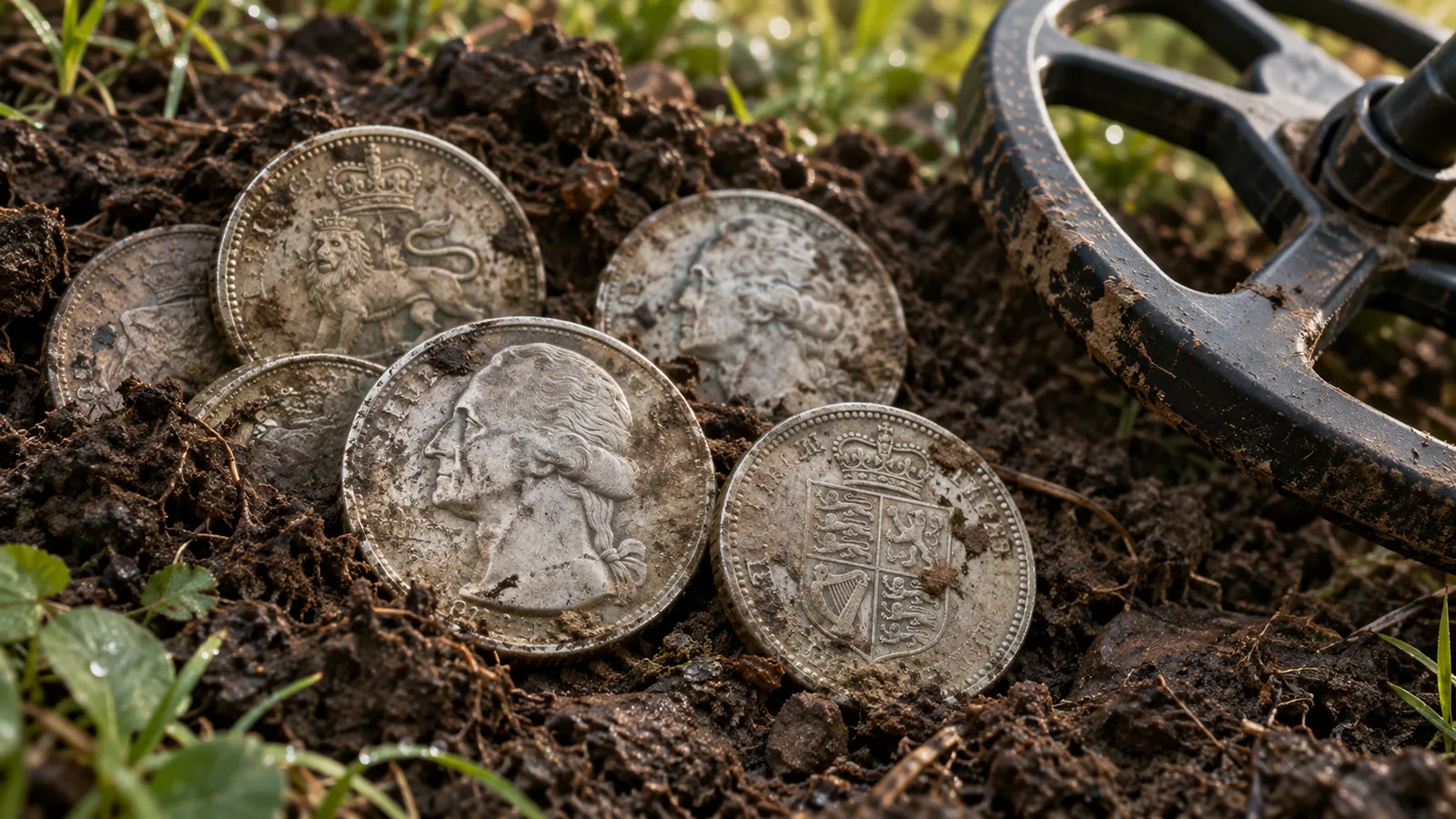
If you find coins with a metal detector, you quickly discover that mother nature plays by her own rules. Even a coin dropped in the 1890s just weeks after leaving the mint will react with damp soil, fertilizer, and gritty sand over a century of burial. While the physical wear on the metal might mathematically correspond to XF or AU details, professional grading agencies like PCGS or NGC will rarely grant a standard straight numerical grade to a dug coin.
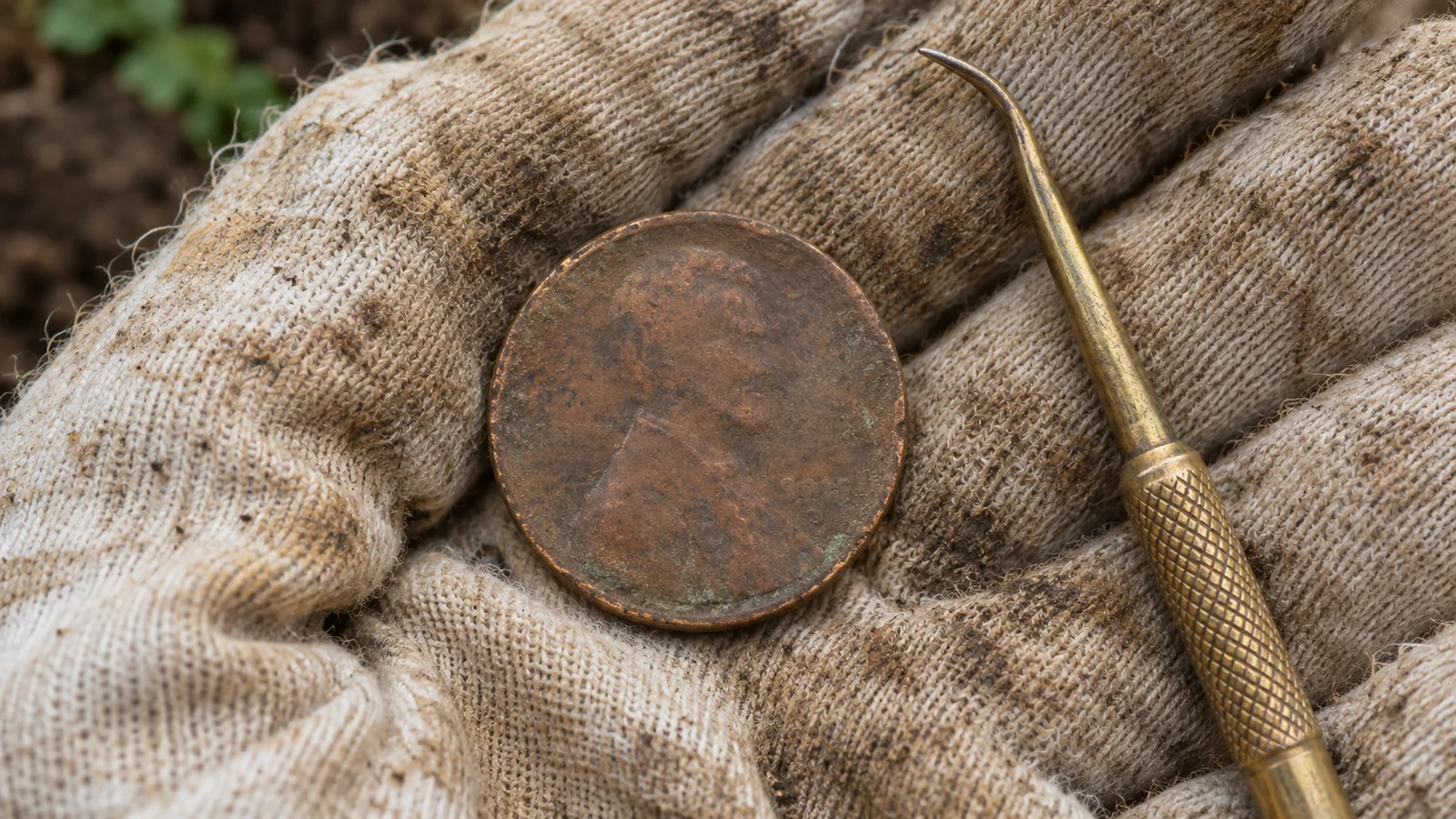
Instead, ground-recovered coins almost always receive what the hobby calls a 'Details' grade, such as 'XF Details - Environmental Damage' or 'VF Details - Corroded'. This distinction means the underlying relief details match an XF or VF specimen, but the surface integrity has been compromised by pitting, discoloration, or acidic ground contact. Knowing this upfront keeps your expectations grounded and prevents disappointment when assessing potential trade values.
The Cardinal Rule: Why Cleaning Destroys Numismatic Grade
The quickest way to ruin a valuable coin is trying to make it shiny. Beginners often assume that scrubbing off black tarnish or brown soil patina will improve its appearance and grade. In truth, doing so does the exact opposite.
Using baking soda pastes, metal polishes, pencil erasers, or brass brushes strips away the original surface metal, leaving thousands of microscopic hairline scratches across the fields. Professional graders spot these artificial abrasions instantly under five-power magnification and will immediately slap the coin with a 'Cleaned' penalty grade. A cleaned coin typically loses half or more of its collector value compared to an untouched specimen with dark, natural age patina. If you dig a coin from the ground, rinse it gently in warm tap water, dab it dry with a soft cloth without rubbing, and leave the patina alone.
Virtual Relics and Relaxed Collecting
Learning the nuances of coin grading takes years of examining thousands of slabs, flips, and worn tokens. For days when you want to enjoy the thrill of discovering old coins without agonizing over whether a rim ding knocks a coin down two grade points, casual gaming provides a welcome break. In the mobile simulator MetalHunter, you can hunt across varied terrain from sandy beaches to old mountain ruins, uncovering hundreds of historic coins with authentic catalog weights and building your own private museum den at your own pace.
Legal Context and Ethical Collecting
No discussion of old coins is complete without emphasizing responsible collecting ethics. If you enjoy detecting for historic coins, always obtain clear permission from landowners before entering private pastures or woodlots. In the United Kingdom, historic coin finds must be reported through the Portable Antiquities Scheme, and groups of coins meeting legal thresholds fall under the Treasure Act.
In the United States, never hunt on protected federal parklands or registered historic monuments regulated by the Archaeological Resources Protection Act. When buying, trading, or selling coins, always describe grades honestly and never attempt to conceal environmental pitting or artificial cleaning.
| Grade Code | Grade Name | Typical Wear Characteristics | Luster Presence |
|---|---|---|---|
| G-4 to VG-8 | Good to Very Good | Heavy even wear; outlines visible; full rims | No mint luster |
| F-12 to F-15 | Fine | Moderate wear; main features clear; inner design visible | No mint luster |
| VF-20 to VF-35 | Very Fine | Moderate wear on high points; sharp lettering | Traces possible in crevices |
| XF-40 to XF-45 | Extremely Fine | Very light wear on highest points only; bold details | Luster in protected areas |
| AU-50 to AU-58 | About Uncirculated | Slight friction on highest relief; sharp rims | Substantial luster present |
| MS-60 to MS-70 | Mint State | No circulation wear; full struck details | Full original mint luster |
FAQ
What is the difference between a straight grade and a details grade?
A straight grade indicates the coin has natural wear without significant surface defects, whereas a details grade means the coin has the relief details of a specific grade but suffers from problems like cleaning, scratches, or ground corrosion.
Can an uncleaned dug coin ever receive a straight numeric grade?
It is uncommon, but high-grade gold coins and occasional silver coins found in inert, sandy soils with zero corrosion can sometimes receive straight grades from third-party grading services.
How do I safely store graded and raw collectible coins?
Use non-PVC archival flips, rigid plastic capsules, or paper envelopes made specifically for coin storage. Avoid cheap vinyl holders that release acidic plasticizers that turn coins green and sticky.
What should I do if my detector hits an old military explosive?
Never prod or dig around suspected unexploded ordnance. Stop digging immediately, step away along your footprints, and call 911 or 999 to alert emergency authorities.