Beach Metal Detecting Tips That Save You Frustration
A beach looks like an easy place to swing a detector until the sand starts beeping at everything. A little planning around tides, ground conditions, and where people spend time helps.
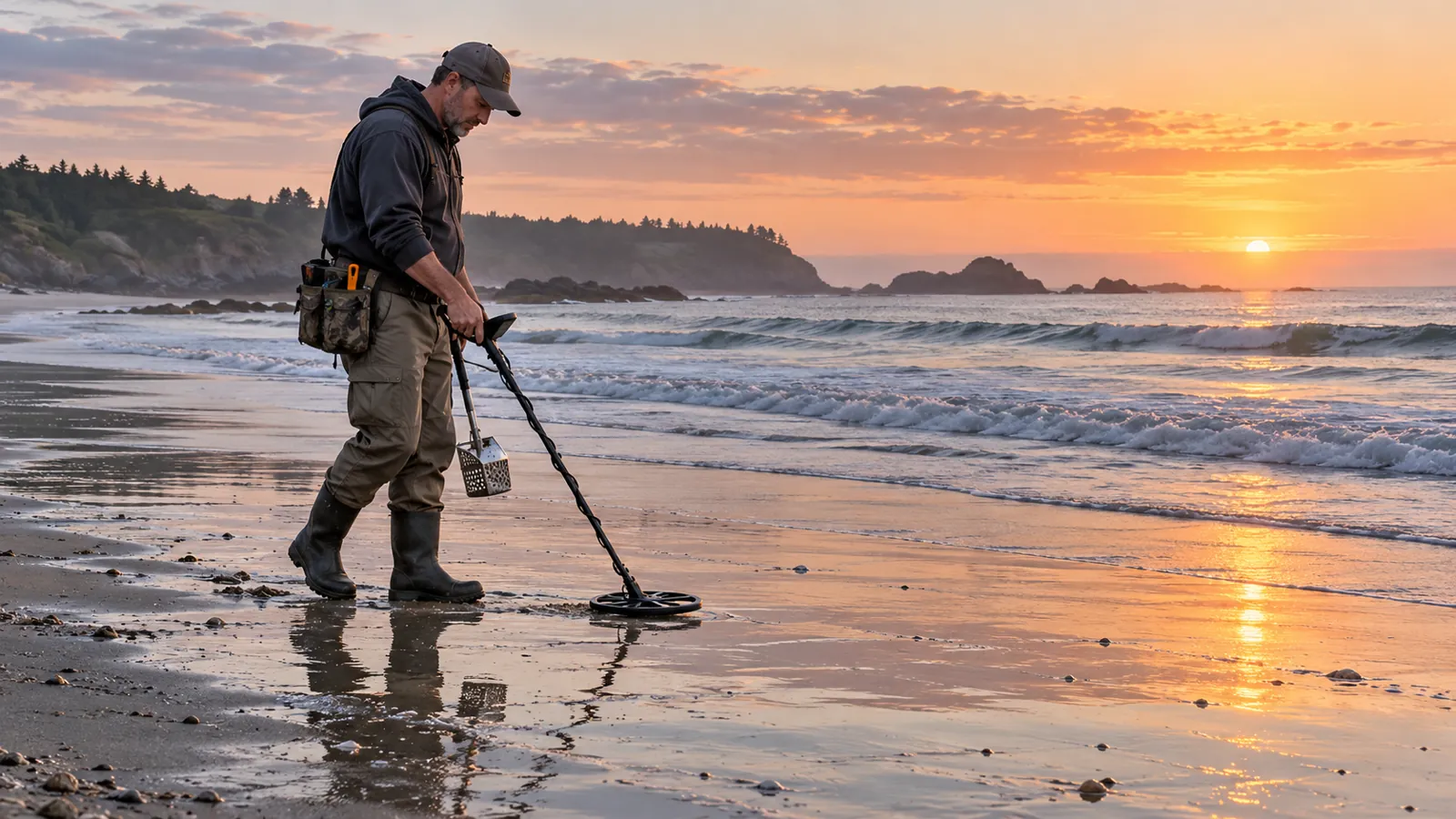
My first proper beach outing was supposed to be a relaxed walk with a detector. I had not checked the tide, brought the wrong footwear, and assumed the machine would behave on wet sand just as it did on a grassy path. The beach corrected all three assumptions before lunch.
Good beach metal detecting tips are mostly about matching your plans and equipment to the conditions. Beaches are open, easy to walk, and often full of modern lost items. They can also be noisy under a detector, exposed to weather, and governed by local restrictions. A short bit of preparation makes a big difference.
Know what your detector can handle
Dry sand is usually the simplest place for a newcomer to begin. It behaves more like ordinary ground for many detectors, although the mineral content and bits of rubbish still affect signals. Wet sand, especially near salt water, can be more challenging because the salt and minerals may cause false responses or unstable operation.
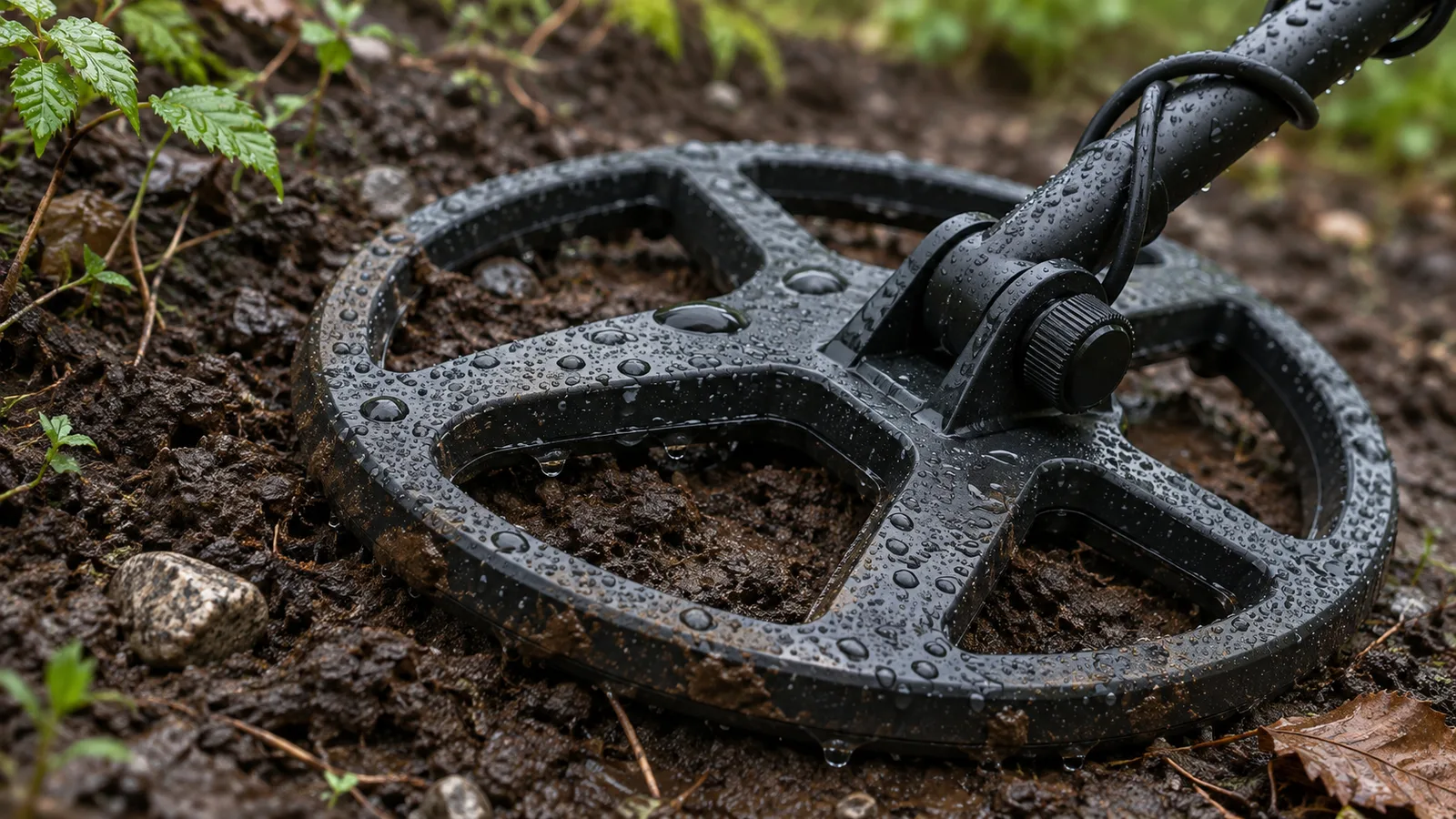
Check the manufacturer’s guidance before taking a detector into wet conditions. A waterproof coil does not automatically mean the control box is waterproof, and a detector rated for shallow water still has limits. Saltwater capability also varies. If the manual says to avoid a particular condition, believe the manual. The sea is not a good place to test warranty language.
For beach detecting for beginners, start on dry sand with a simple, stable setup. Keep sensitivity at a level where the machine is not chattering constantly. If your detector has a beach mode or salt adjustment, read how it works before the outing. Changing one setting at a time makes it easier to learn what helped.
Timing matters, but there’s no perfect hour
People often ask for the best time to metal detect on a beach. A useful answer is: when conditions, access, and local rules line up. Early mornings can be quieter, and lower tides may expose more of the beach, but tides and beach shapes differ. Check a reliable local tide table and weather forecast instead of relying on a general rule.
After a busy day, areas where visitors sit, change clothes, or enter the water may have more recent losses. Storms and shifting sand can uncover or cover material, but there is no guarantee that a dramatic-looking tide line will produce anything. I have spent a careful hour on an apparently promising stretch and found mostly foil. That is still a perfectly respectable beach report.
Be aware of the sea while concentrating on your detector. Keep an eye on incoming water, surf, cliffs, and slippery rocks. Do not search alone in hazardous conditions, and do not walk out across soft mud or an exposed sandbar without knowing how quickly the tide returns. A signal can wait; a rising tide has other plans.
Working wet sand without chasing every beep
Metal detecting wet sand can be frustrating if your detector is not suited to it. The machine may sound off across a wide area, or the display may jump as you sweep. Try moving to drier sand and reducing sensitivity until the detector settles. If that does not help, the conditions may be beyond what your detector handles comfortably.
Sweep slowly and evenly, keeping the coil parallel and close to the surface. Saltwater beaches often have visible bands and changes in sand firmness, so learn where the machine runs quietly before deciding where to spend time. If your detector has automatic or manual ground balance, follow the instructions for the specific model; controls differ.
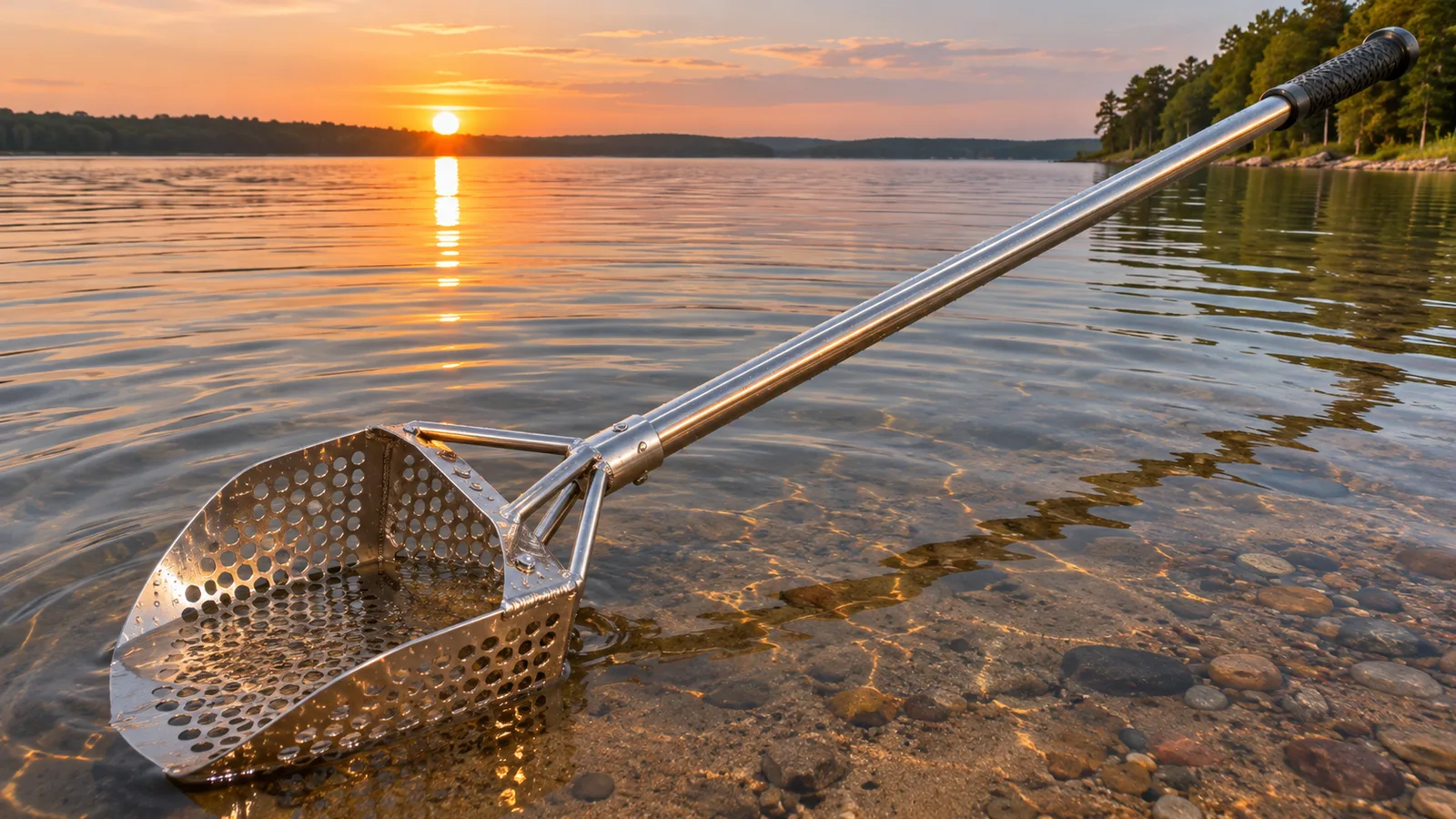
Use a sand scoop or tool suited to the beach, and keep recovered rubbish with you. A small finds pouch is helpful, but bring a separate pocket or bag for trash so it does not end up back in the sand. Sharp metal, broken glass, and fishing hooks can injure people and wildlife.
Search with a plan rather than wandering
Choose a manageable strip and work it in overlapping lanes. You might follow a path parallel to the water, then move a little farther up the beach and repeat. This is more reliable than walking wherever the sand looks interesting, which is what I did for my first few trips. I covered a lot of ground and somehow left most of it between my sweeps.
Pay attention to where people gather and how the beach is used. Picnic spots, access points, and places where people sit down may be worth a look, provided detecting is allowed there. Avoid dune vegetation, nesting areas, and protected sections. Do not assume that a beach is open to detecting just because it is public or easy to reach.
Keep your holes small and fill them completely. On soft sand, a deep scoop can still be a trip hazard or expose a sharp object. Check local guidance on digging and remove anything you bring in, including food wrappers and broken equipment.
Make the outing comfortable
Beach weather changes quickly. Bring water, sun protection, suitable shoes, and a light layer even when the forecast looks friendly. Salt and sand can wear on equipment, so follow the manufacturer’s cleaning advice after your outing. Do not rinse electronics unless the manual says they are designed for it.
Headphones can make faint signals easier to hear in wind, but only use them if you can remain aware of people and the sea around you. Keep your gear compact. Dragging a huge backpack across a beach is a surprisingly effective way to turn a pleasant hobby into a shoulder complaint.
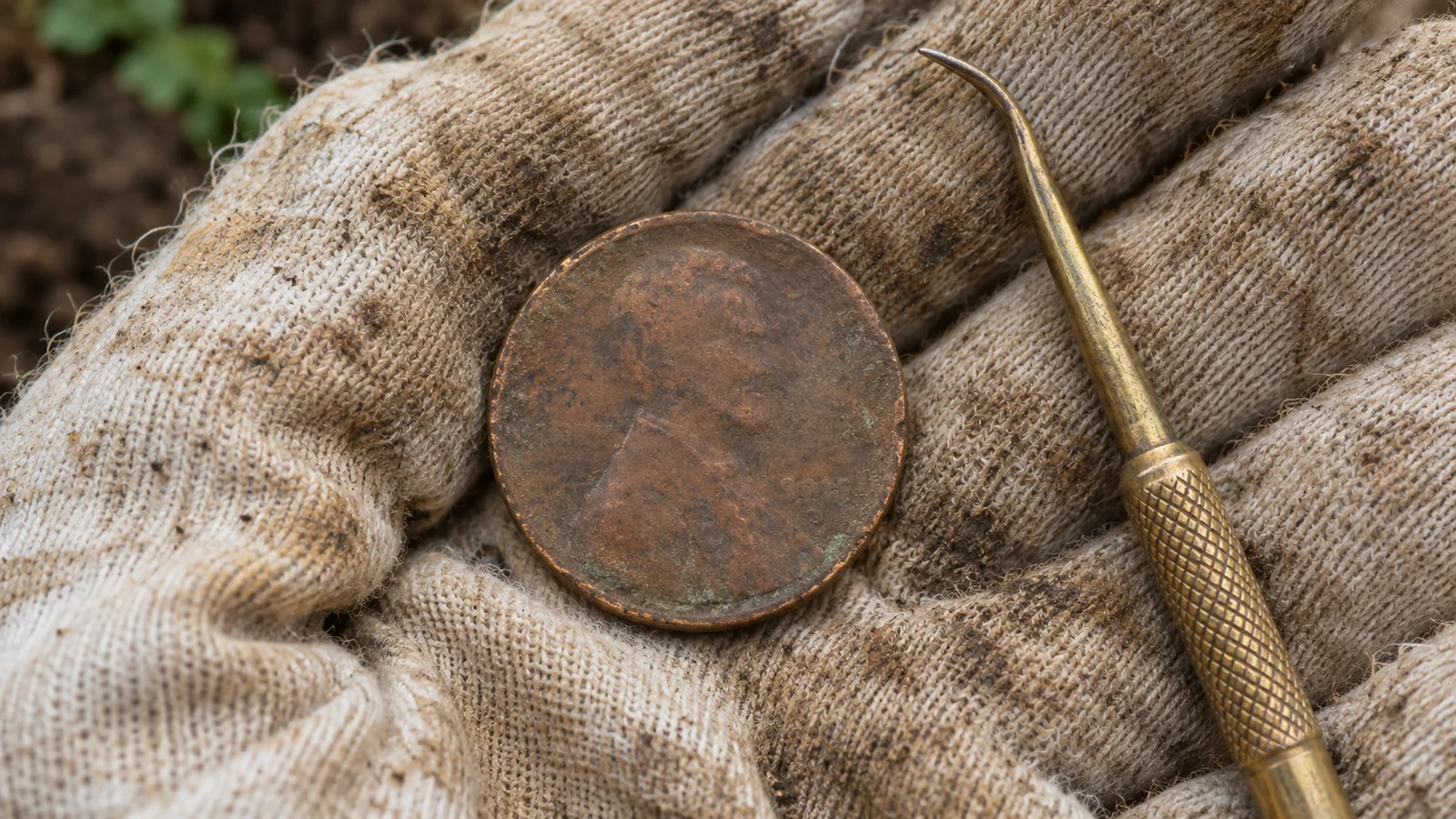
Expect a mix of modern coins, pull tabs, foil, and lost personal items. The specific finds depend on the beach, its visitors, and what the sand has done over time. Treat jewelry and items that may belong to someone as responsibly as local rules require; do not assume every recovery is automatically yours to keep.
Enjoy the small discoveries
Beach detecting rewards patience more than optimism. A quiet patch, a clear signal, and a tidy recovery can be satisfying even when the object is ordinary. Keep a note of where and under what conditions you searched. Over time, you will learn which parts of your local beach suit your detector and which make it grumble.
If you like the idea of switching between beaches and other search locations without packing a scoop, MetalHunter is a free mobile treasure hunting simulator with a beach location, detector readings, and a variety of finds. I still prefer the fresh air of a real coast, but a game can scratch the exploring itch on a rainy evening.
FAQ
What is the best time to metal detect on a beach?
It depends on local tides, access rules, weather, and how the beach is used. Early mornings and lower tides can be practical, but check local conditions and safety guidance before setting out.
Can I use a regular metal detector on wet sand?
Some detectors handle wet salt sand better than others. Check the manual for saltwater and waterproof limits. If the machine becomes unstable, try dry sand or settings recommended by its manufacturer.
Do I need a special tool for beach detecting?
A sand scoop can make recovery easier, especially on loose sand, but the best tool depends on the beach and local rules. Bring a pouch for finds and rubbish, and fill any holes.
Can I metal detect on any public beach?
No. Access and detecting rules vary by country, state, council, and site. Check with the relevant local authority and avoid protected areas unless you have clear permission.