Water Metal Detecting Guide: Practical River and Lake Wading Tips
Wading into fresh water on a hot summer morning is one of the best ways to escape baked park turf. Here is how I hunt riverbeds and lake shallows safely without losing my footing or my gear.
When midsummer heat turns park turf as hard as poured concrete, digging a clean plug becomes almost impossible without breaking your favorite hand trowel. That is the time of year when water metal detecting becomes my favorite weekend escape. Stepping into the cool shallows of a local freshwater lake or a slow-moving river lets you hunt comfortably for hours while everyone else is sweating in parched fields. People flock to the water to beat the heat, and as cold water constricts their fingers and gentle waves jostle them around, rings, pendants, and loose pocket change slide straight into the sediment. But moving through water introduces physical challenges you never face on dry land. The resistance of liquid against your coil and the behavior of shifting sand require specific techniques to keep your hunt productive.
Why freshwater lakes produce pristine finds
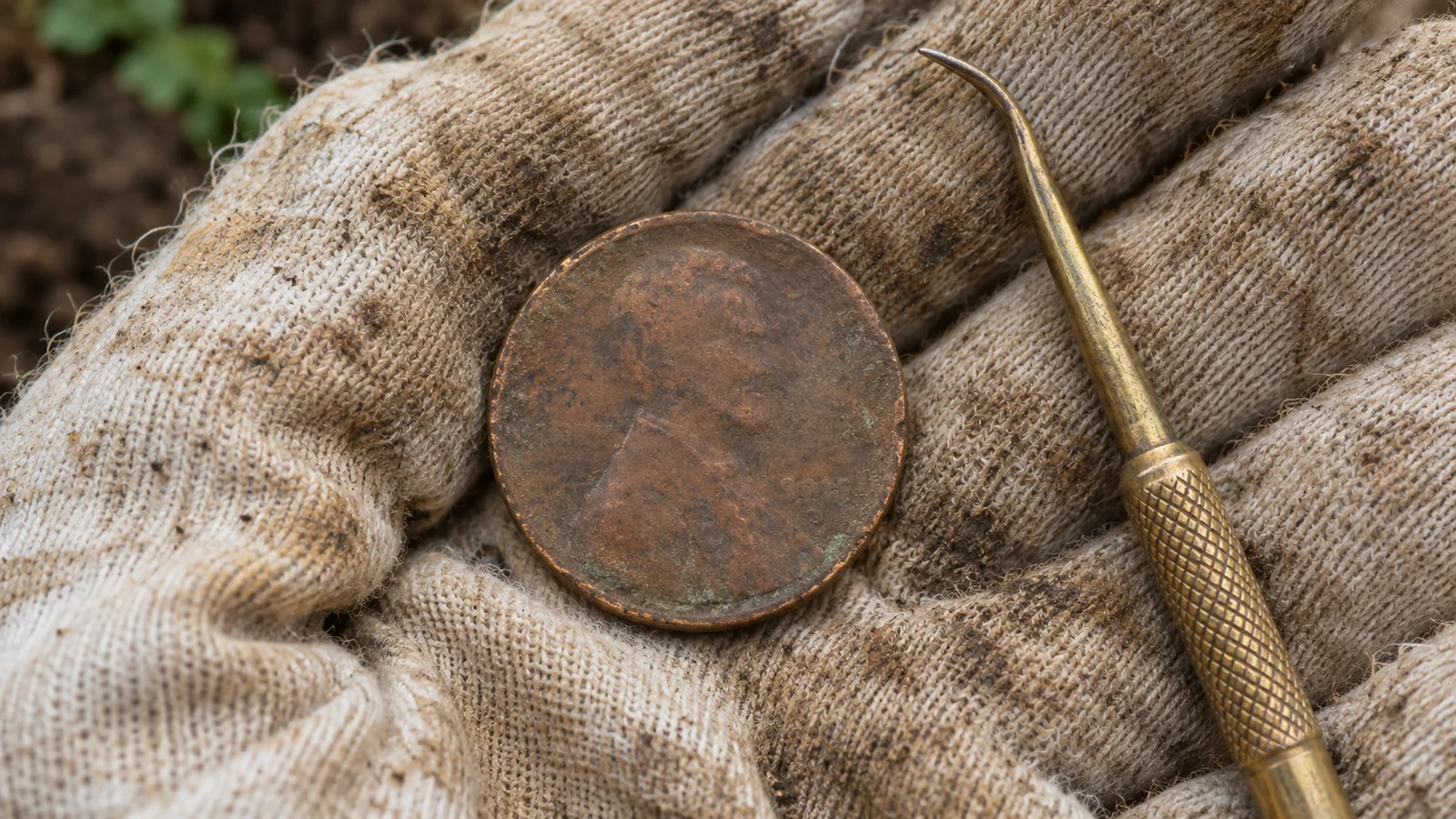
Unlike ocean beaches where saltwater and black sulfur mud quickly corrode base metals and turn silver black, freshwater lakes are remarkably gentle on metallic items. Old coins dropped in freshwater decades ago often emerge from clean sand with crisp details and minimal oxidation. At the same time, lake bottoms tend to shift much slower than violent ocean surf zones. Lost rings and coins settle into firm sand and gravel layers, remaining within reach of a standard search coil for years without getting dragged out to deep drop-offs.
Public swim areas, roped-off bathing beaches, and youth summer camps are prime locations. Focus your attention on waist-deep water where people toss frisbees, jump to catch balls, or wade out to catch their breath. The transition zone where shallow wading depth suddenly drops off into deeper swimming water is another hot spot, as swimmers often tread water vigorously there, causing loose jewelry to slip free.
Metal detecting in rivers and handling current flow
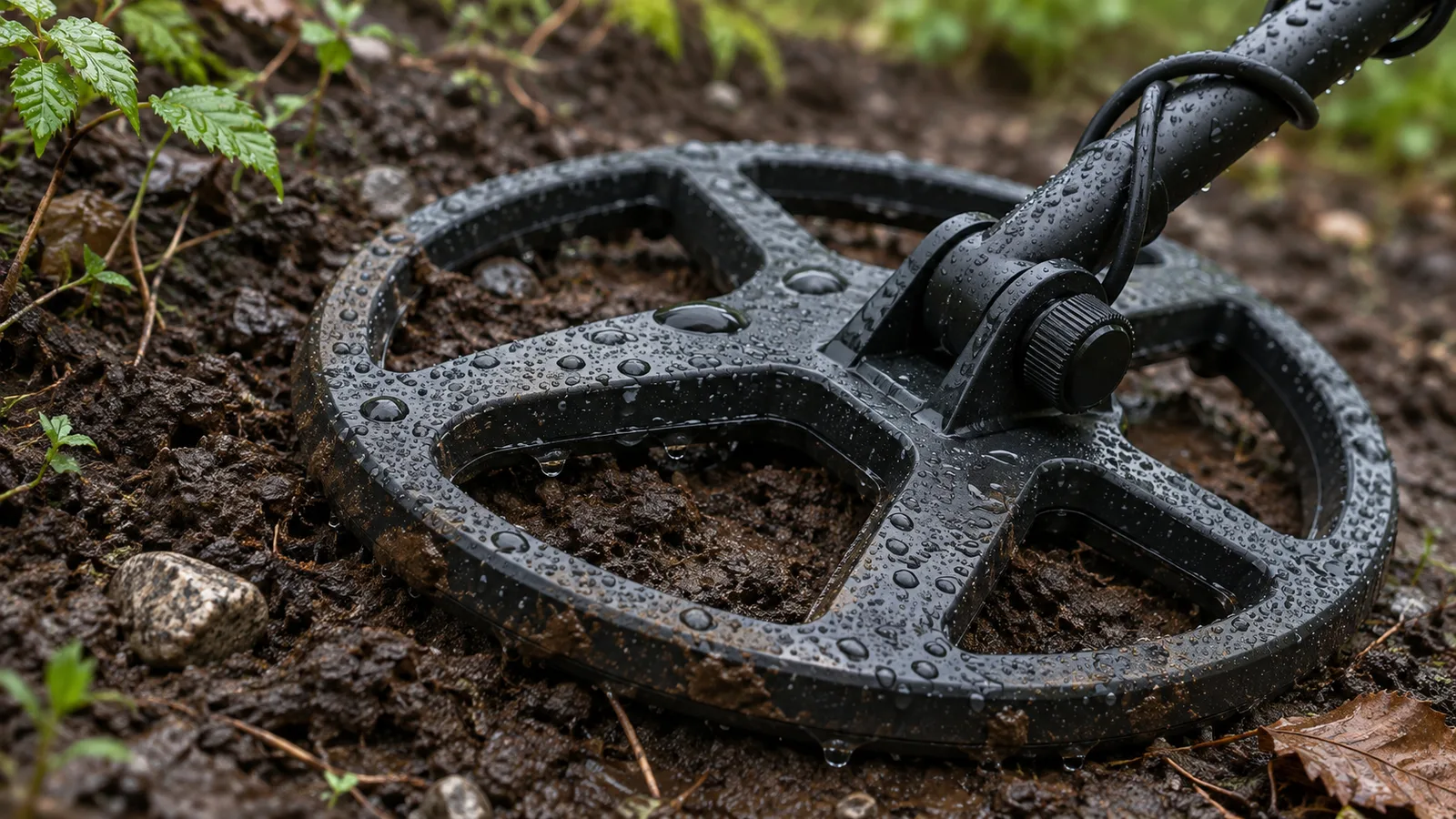
Searching moving rivers is an entirely different adventure than wading in placid lakes. River hunting means dealing with continuous water current pushing against your body and your search coil. If you attempt to sweep your detector sideways across a swift current, hydraulic drag will exhaust your shoulder within twenty minutes.
To hunt rivers effectively, always face upstream. Moving upstream allows the silt and sediment kicked up by your wading boots to flow behind you, keeping the water ahead clear enough to spot potential hazards. Look for natural collection pockets along the riverbed. Just like gold prospectors searching for placer gold, detectorists should target gravel bars, quiet eddies behind large boulders, and the inside bends of rivers. Heavy items like lead fishing sinkers, brass tokens, and gold rings are carried along by seasonal floodwaters until they drop into natural bedrock crevices and gravel pockets.
Essential equipment and lake wading tips
Wading with a metal detector requires specialized gear built to handle constant water exposure and shifting mud. A few basic equipment choices make all the difference:
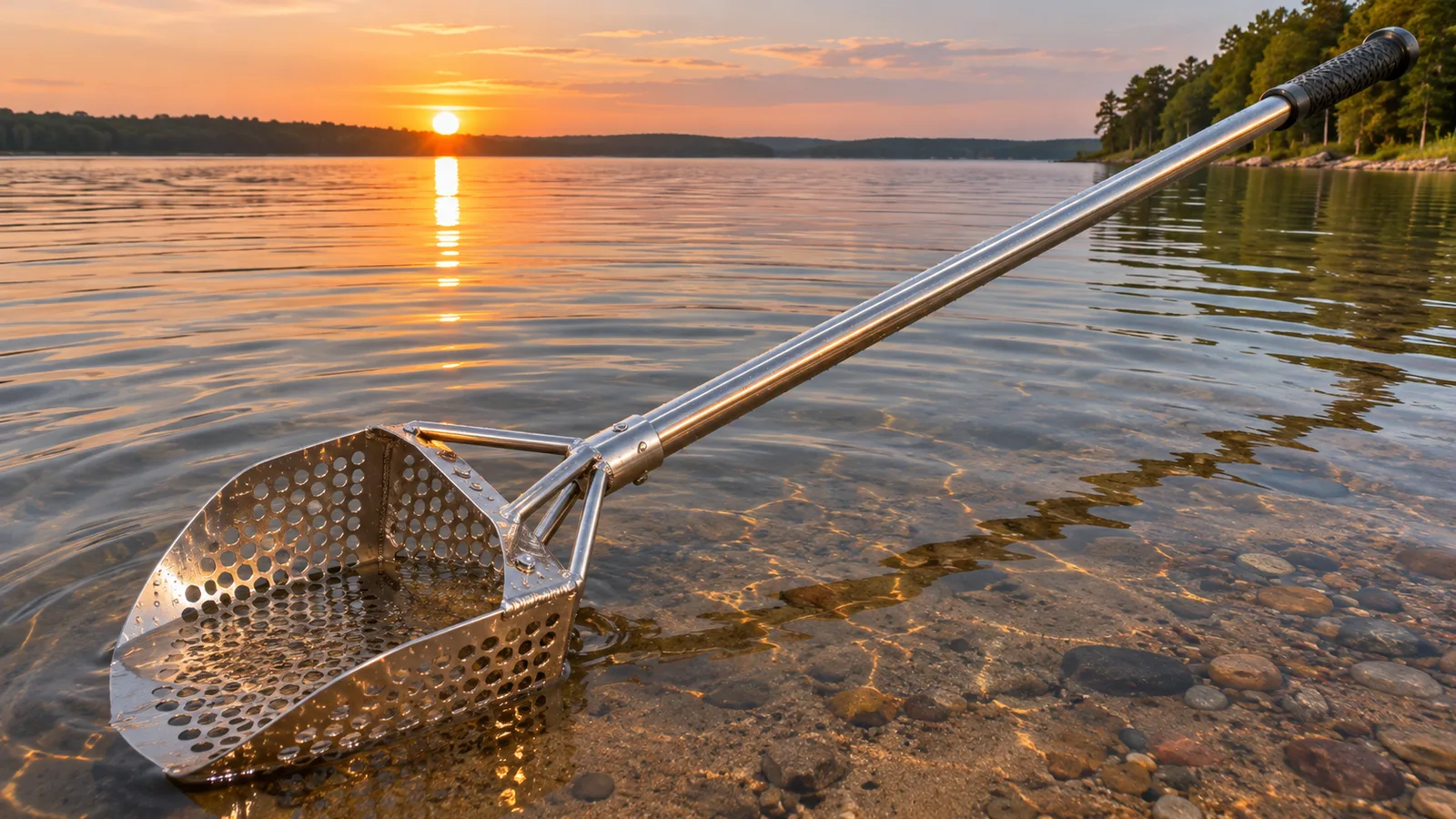
- Long-handled stainless steel water scoop: A hand digger is completely useless in waist-deep water. You need a sturdy stainless steel or carbon fiber scoop with a five-foot handle so you can dig targets using your foot and leverage.
- Floating sifter: When you dig a scoop of sandy gravel in murky water, trying to inspect the contents while waves splash around is frustrating. Build or buy a floating sifter made from a foam pool noodle and a plastic mesh basket. Dump your scoop into the sifter, let the sand wash through, and examine the remaining gravel at eye level.
- Waterproof headphones: Splashing water, wind noise, and river rapids will completely drown out your detector's external speaker. A solid pair of submersible, waterproof headphones lets you hear faint threshold whispers.
- Lanyard your gear: Drop a handheld pinpointer or a small brass probe in murky waist-deep water, and it is gone forever. Secure every tool to your belt or wading harness with heavy-duty coiled lanyards.
On days when murky river currents or thunderstorm warnings keep me off the water, I load up MetalHunter on my phone. It is a first-person metal detecting game for Android featuring different terrain types, including swamp and beach shores, with realistic target signals. It scratches that treasure hunting itch while staying completely dry indoors.
Comparing search conditions: freshwater lakes versus rivers
Here is a breakdown of how hunting techniques differ between still lake shallows and moving river environments:
| Hunting Factor | Freshwater Lake Shallows | Flowing Riverbeds |
|---|---|---|
| Water Movement | Calm to mild surface ripples | Constant directional current flow |
| Bottom Composition | Soft sand, silt, or packed clay | Bedrock, gravel bars, and river rock |
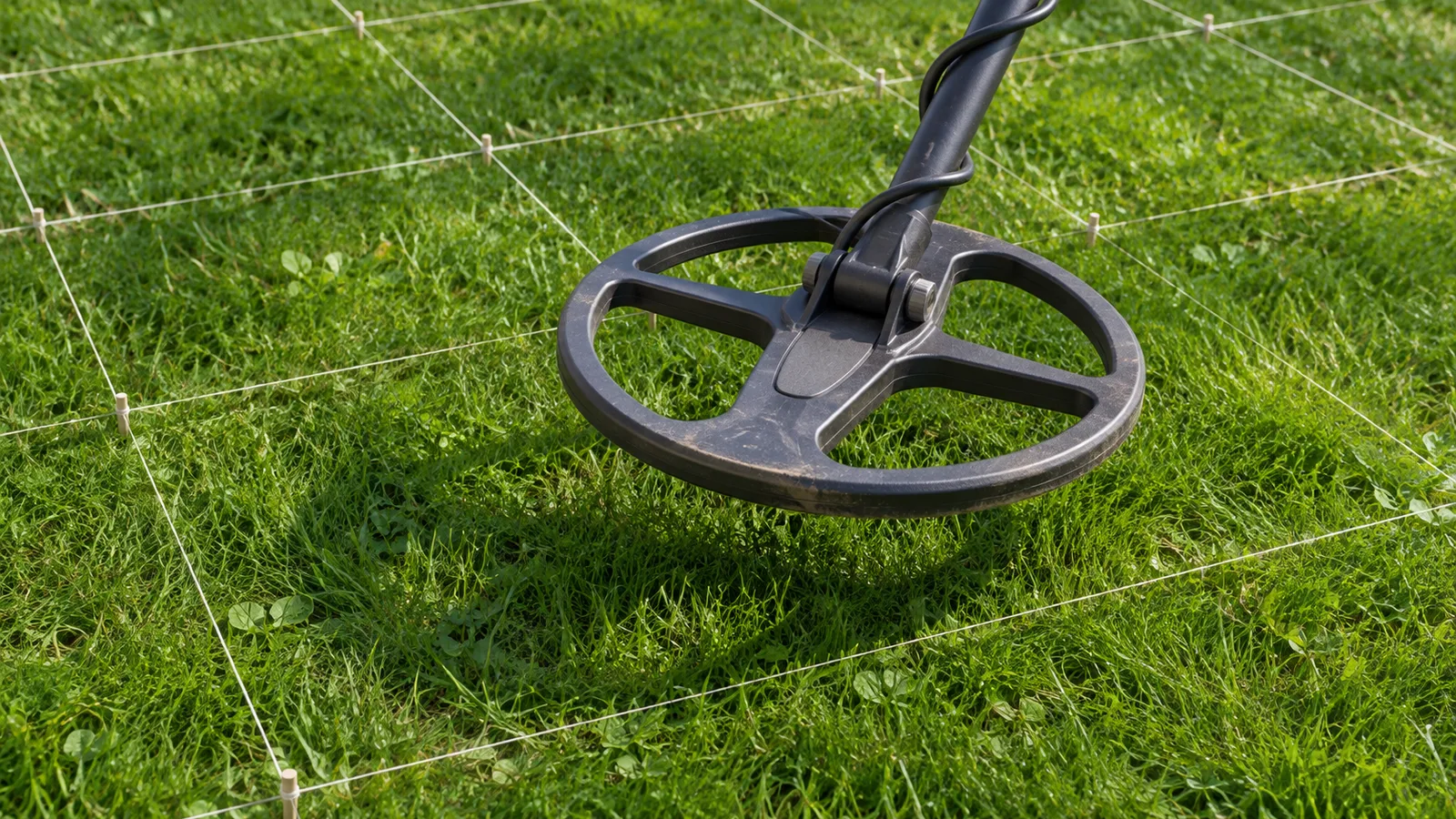
| Wading Direction | Grid lines parallel or perpendicular to shore | Facing upstream to keep water clear |
| Target Distribution | Concentrated in swim zones and drop-offs | Trapped in natural gravel pockets and eddies |
| Primary Hazard | Sudden drop-offs and broken glass in sand | Slippery river stones and hidden currents |
Water safety and environmental responsibility
Safety must always come first when wading with heavy equipment. Always probe the bottom in front of you with your scoop handle before stepping forward. Sudden underwater drop-offs, soft silt holes that trap wading boots, and submerged tree limbs can pull you off balance in an instant. Wear sturdy neoprene wading boots with puncture-resistant soles to protect your feet from broken beer bottles, rusty fish hooks, and jagged zebra mussel shells.
Never wade in fast river currents alone, and always carry a personal flotation device if you hunt near deep channels. Be mindful of local regulations: some public parks and swimming beaches prohibit metal detecting during lifeguard operational hours to avoid crowding swimmers. In the UK, metal detecting on inland waterways requires permission from the relevant waterway authority or riparian landowner, and historic items must be processed through the Portable Antiquities Scheme. If you ever encounter unexploded military ordnance or suspicious metal canisters in rivers, do not disturb them; back away calmly and call 911 or 999 immediately.
FAQ
Can I use any metal detector for shallow water wading?
Only if the control housing is rated fully submersible. While almost all modern search coils are waterproof, if your control box is only weather-resistant, dropping it into lake water or taking a rogue splash will ruin the electronics instantly.
Why do targets seem to disappear once I scoop them up?
In water, digging a scoop often kicks up silt and causes heavy targets like rings or coins to slide down the side of your hole. Check the hole again with your coil, or dump the contents of your scoop directly into a floating sifter to catch small items.
Do I need to adjust ground balance when entering fresh water?
Unlike saltwater beaches that require specialized multi-frequency or pulse induction machines, clean freshwater behaves similarly to dry land. However, you should still perform a ground balance over the submerged lake sand to eliminate mineral noise.
What is the safest way to hunt around other beachgoers?
Arrive early in the morning before swimmers arrive, or hunt during late evening hours. Keep your scoop low, fill all underwater depressions as best you can, and always give swimmers and fishermen plenty of space.