Choosing a Metal Detector When You’re Just Starting
Your first detector doesn’t need to do everything. A few practical choices can save you from buying a machine that’s confusing, uncomfortable, or wrong for the places you want to search.
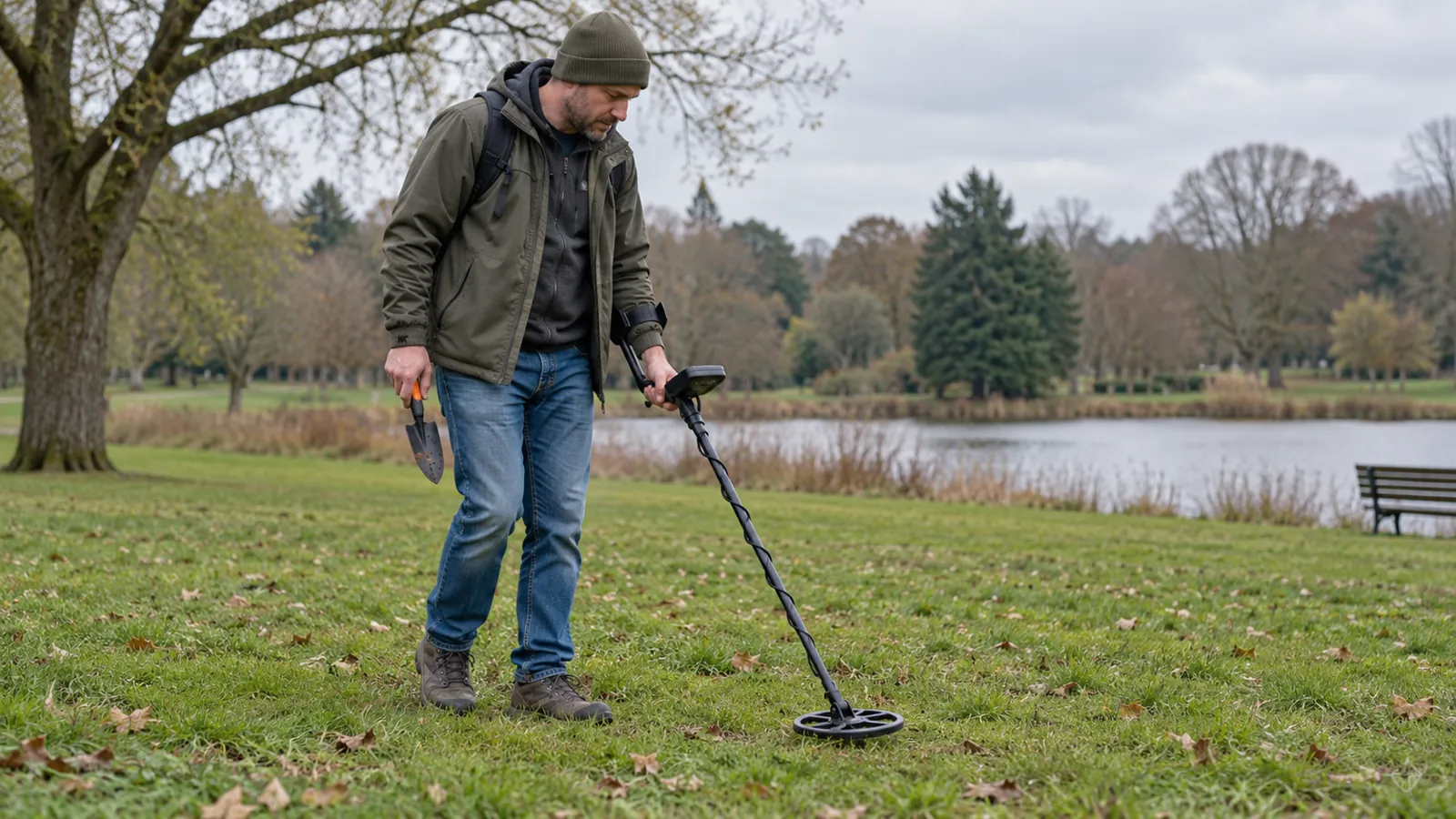
I still remember the first time I took a detector out. I spent more time staring at the screen than listening, and I treated every beep as if it might be a gold coin. It was usually a bottle cap. That is a fairly normal start, and a sensible first machine makes those early outings easier to enjoy.
Searching for the best metal detector for beginners can feel like comparing a wall of numbers: frequencies, target IDs, waterproof ratings, ground balance, and enough modes to make a simple hobby sound like aircraft maintenance. Most new detectorists do not need every feature. They need a machine that suits their likely locations, feels comfortable, and comes with instructions they can understand.
Start with where you’ll use it
Before looking at brands or features, picture a normal outing. Will you search dry parks and fields? Do you live near a beach? Are you more interested in wooded paths or old farm ground? The answers matter because soil and surroundings affect how a detector behaves.
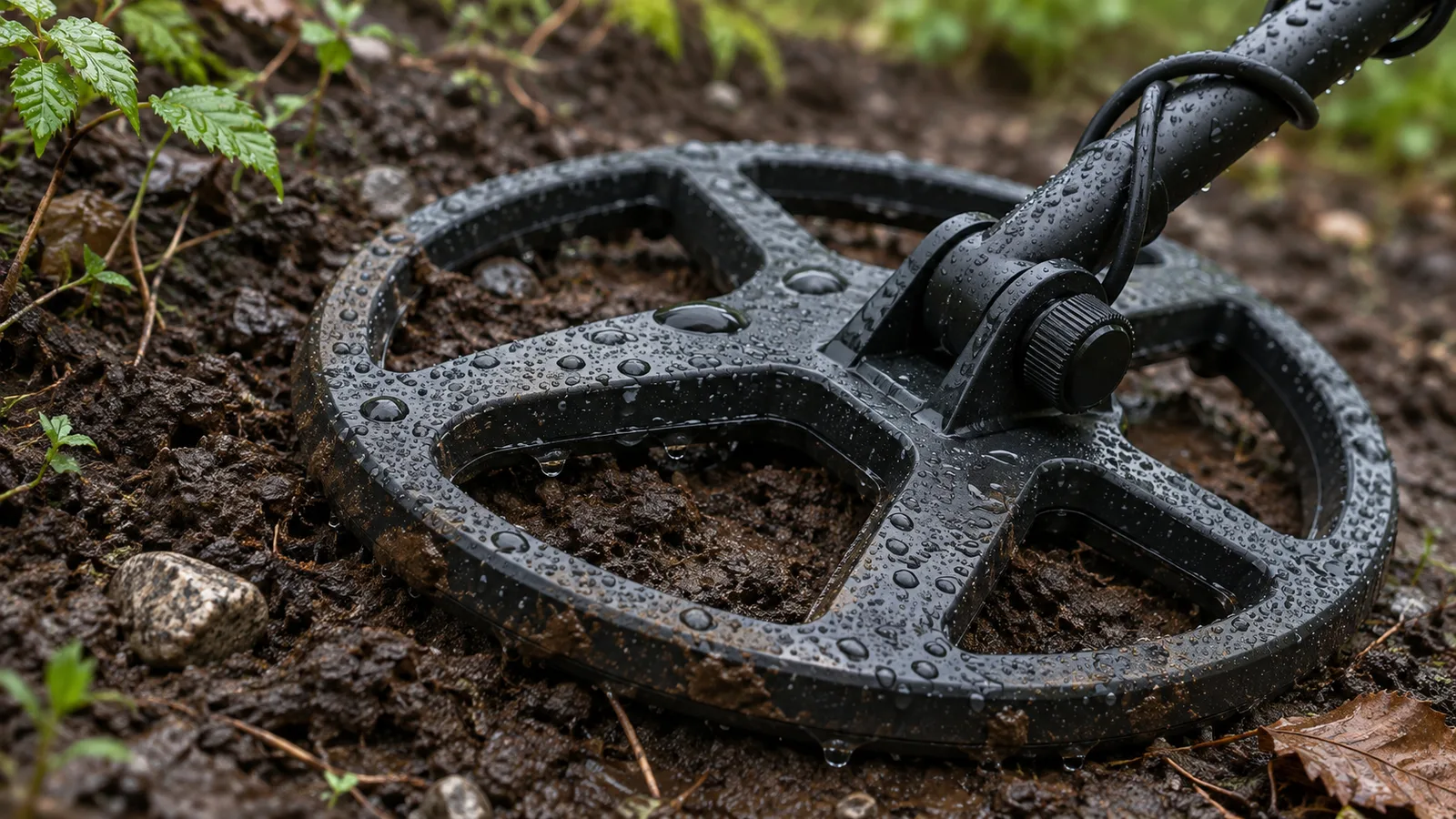
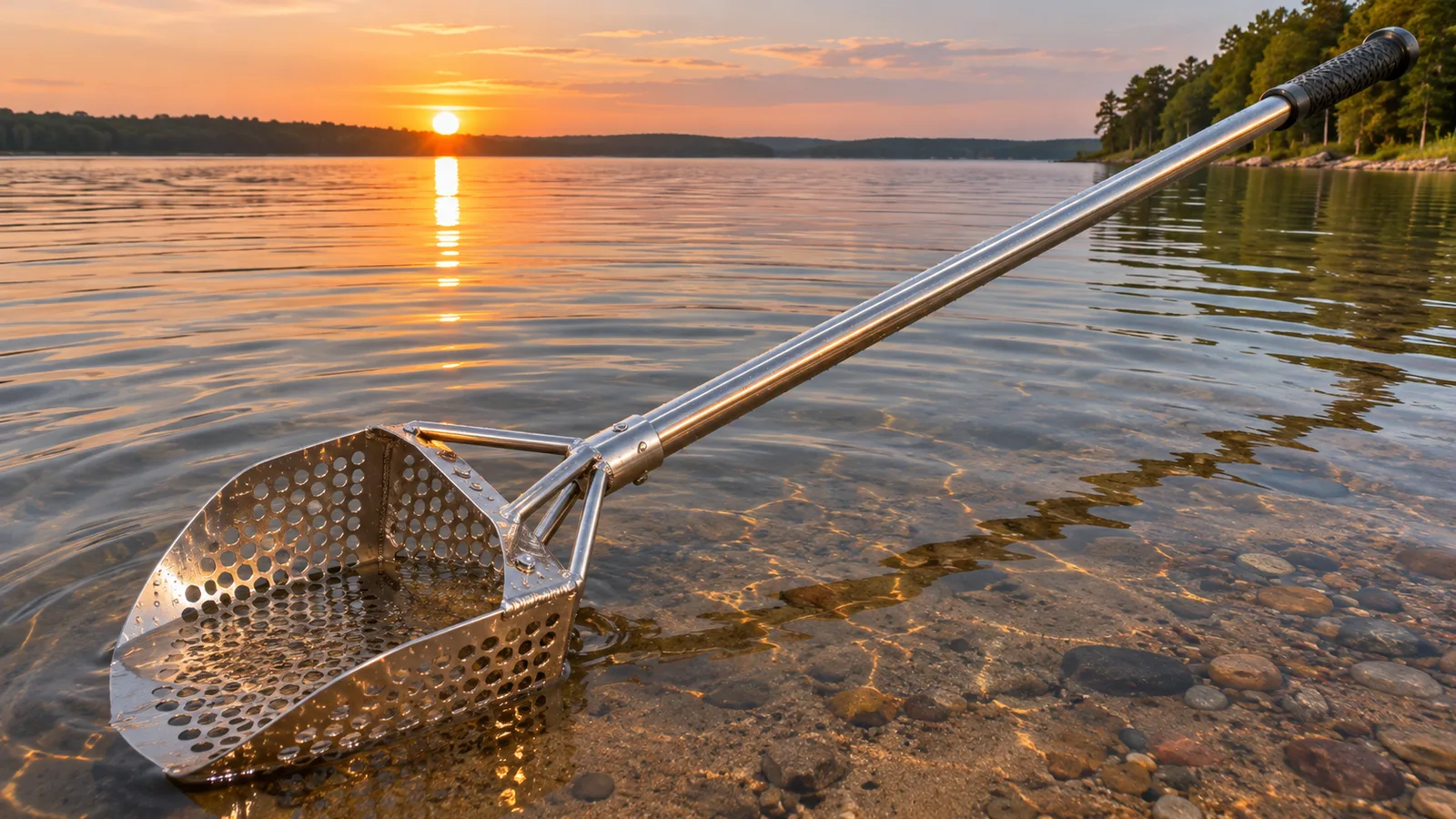
A basic land detector can be a good fit for parks, fields, and ordinary soil. If you want to search wet sand or shallow water, check that the machine is designed for those conditions. “Waterproof coil” does not necessarily mean the control box can be submerged. Read the manufacturer’s limits carefully; I once assumed a splash-resistant box could handle a much wetter afternoon. It could not.
For a beginner, choosing a detector for the places you can actually visit is more useful than buying one for every possible adventure. If the beach is a rare holiday treat, you may not need a specialist beach machine. If you live beside the coast and expect to search saltwater beaches often, salt handling should be higher on your list.
Features that make learning easier
A beginner metal detector should give clear audio signals and a readable target display. Target ID can help you compare signals, but it is an estimate, not a label attached to the object underground. A detector may show a number that often corresponds to coins, yet bottle caps and other metal can land in a similar range.
Simple controls are a real advantage. A few understandable search modes and an easy sensitivity adjustment are plenty while you learn. Automatic ground balancing can also help get you started, though it is useful to understand what ground balance does as you gain experience. It helps the machine cope with minerals in the soil, which can otherwise produce false or noisy signals.
Look for a coil size that suits the ground you expect to search. A smaller coil can be easier to handle around rocks, roots, and clutter. A larger coil may cover more ground per sweep, but it can feel tiring and may be less convenient in tight spaces. Neither is universally best. Weight and balance matter more than a specification sheet suggests, especially after an hour of swinging.
What you can leave for later
It is tempting to pay extra for a long list of advanced features before you know which ones you will use. Multi-frequency options, wireless audio, specialist coils, and detailed customization can all be useful in the right hands. They are not a substitute for learning how to sweep evenly and investigate a signal patiently.
There is also no magic detector that identifies every buried object accurately. Discrimination can reduce responses from some types of metal, but it can also hide things you might have wanted to find. I once turned the discrimination up to avoid junk and then wondered why a promising area went strangely quiet. The machine had been doing exactly what I asked; I had simply asked it to ignore too much.
Budget for the basics around the detector, too. A suitable digging tool, headphones if you prefer them, spare batteries or a charged battery pack, and a small pouch for rubbish can make an outing more comfortable. Before buying, check what comes in the box and whether accessories are included or sold separately.
Try before you decide when possible
If a local club, shop, or experienced friend can let you try a detector, take the opportunity. A machine that looks manageable on a product page may feel awkward once you have carried it across uneven ground. Ask whether you can hear a few sample signals and practice adjusting the settings.
When shopping, compare the return policy, warranty, availability of replacement parts, and quality of the manual. A well-supported machine is often a better first purchase than an unfamiliar model with impressive specifications. Look up the controls in advance, but do not assume that every detector uses the same numbers or names.
Learn the machine in a small patch
When your detector arrives, begin somewhere you have permission to search and where you can practice without rushing. Sweep slowly and keep the coil close to the ground, moving it level rather than lifting it at the ends of each pass. Overlap your sweeps so you do not leave narrow strips untouched.
Test the detector with a few known objects placed on the surface: a coin, a pull tab, and a piece of iron are enough to show how audio and target ID respond. Do not bury them in a public place. The point is to hear the difference in a controlled setting, not to create a mystery for the next person.
For the first few outings, dig a variety of signals where it is lawful and safe to do so. Record what the detector showed and what you recovered. After a while, you will recognize patterns, but they remain patterns rather than guarantees. Soil, depth, orientation, nearby metal, and the detector itself can all change a reading.
Set expectations for the first season
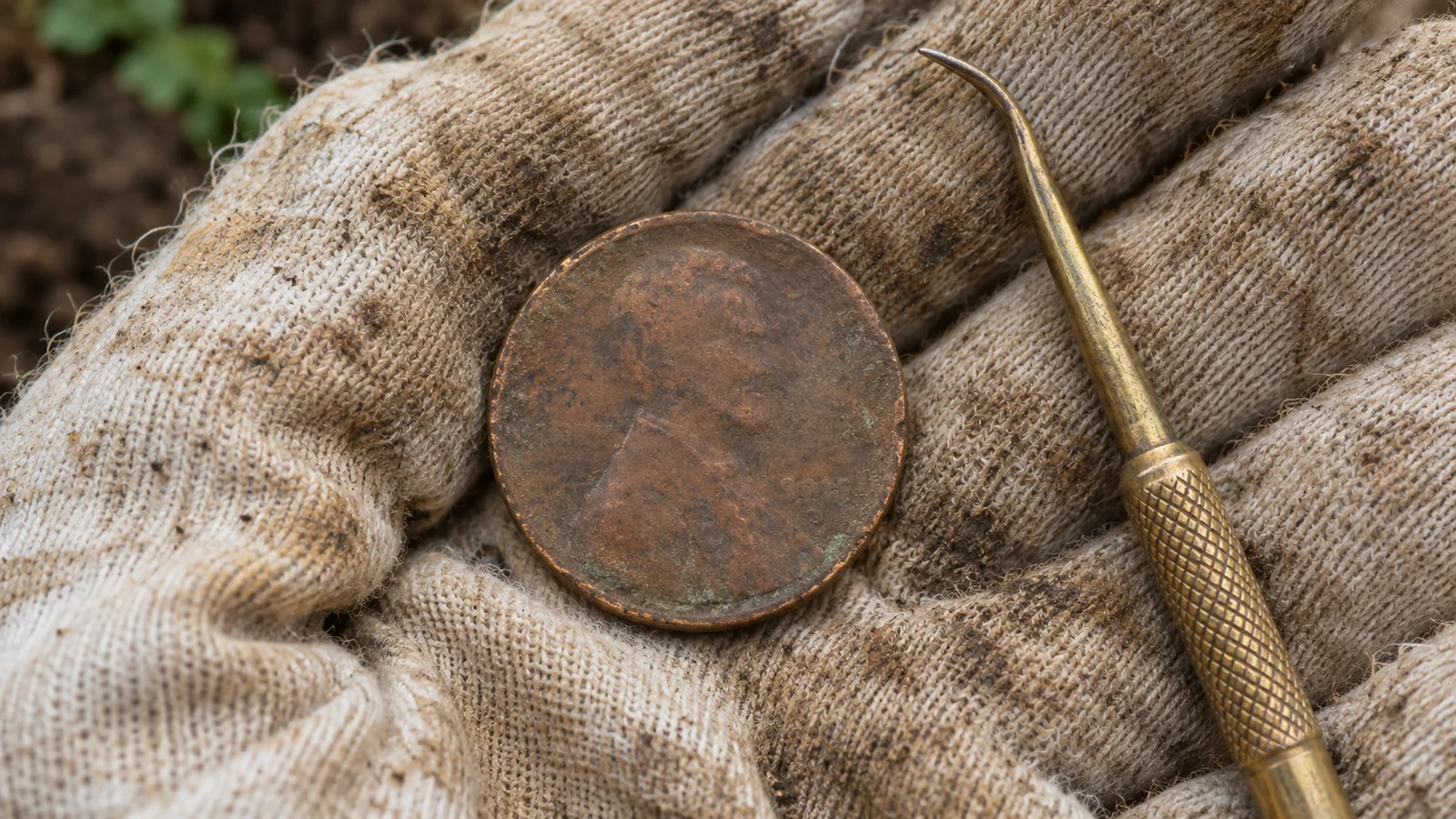
Most outings include modern rubbish, small bits of iron, and the occasional object that makes you pause and look it up later. That is not a sign that you chose the wrong detector. Finding things is part of the appeal, but learning the terrain, improving your technique, and leaving a site tidy are part of the hobby too.
If you want to practice reading signals without heading outdoors, MetalHunter is a free mobile treasure hunting simulator with different locations, detectors, and VDI readings. It is a game rather than a replacement for real detecting, but it offers a relaxed way to get familiar with the basic rhythm of listening, checking a reading, and deciding what to do next.
FAQ
How much should a beginner spend on a metal detector?
There is no single right budget. Compare reliable entry-level models, check what accessories are included, and leave room for a digging tool and other essentials. Spending more only makes sense if the features match the places and conditions where you plan to search.
Is a more expensive detector easier to use?
Not always. Some higher-end models have more settings, which can be helpful later but distracting at first. Clear audio, comfortable handling, and straightforward controls are better starting points than a long feature list.
Can a beginner use a metal detector on the beach?
Yes, if the detector is suitable for the type of beach and the conditions you plan to search. Check whether the control box and coil can handle water or salt conditions; waterproof ratings vary by model.
Do I need to dig every signal?
No. Start by learning how your detector responds, then make sensible choices based on the location, signal, and local rules. Always get permission where needed and fill any holes you make.