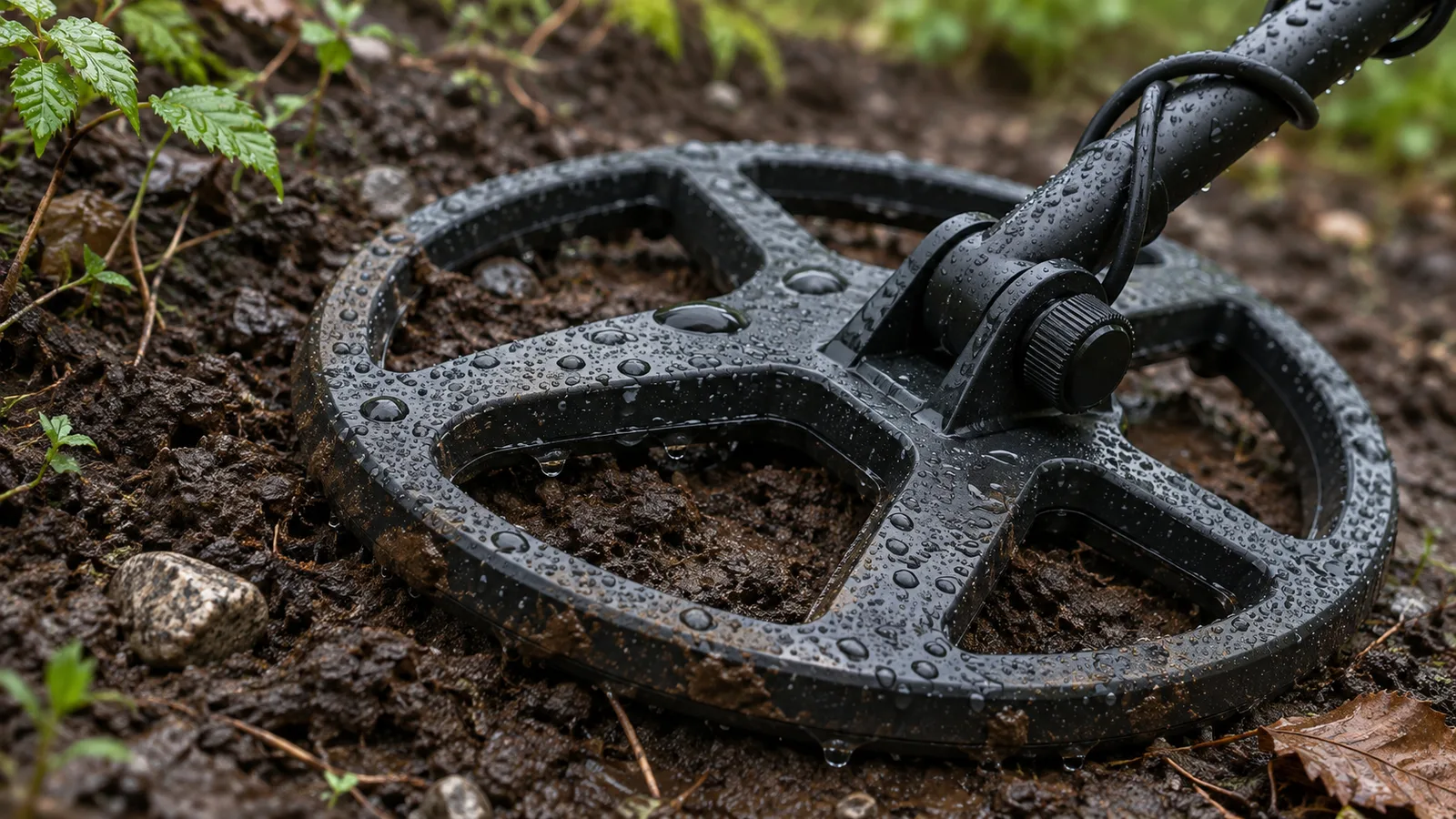
Metal Detecting in the Woods: Old Trails and Forest Relics
When summer sun bakes farm fields into concrete, the forest canopy offers cool shade and undisturbed ground. Hunting among trees requires a completely different approach.
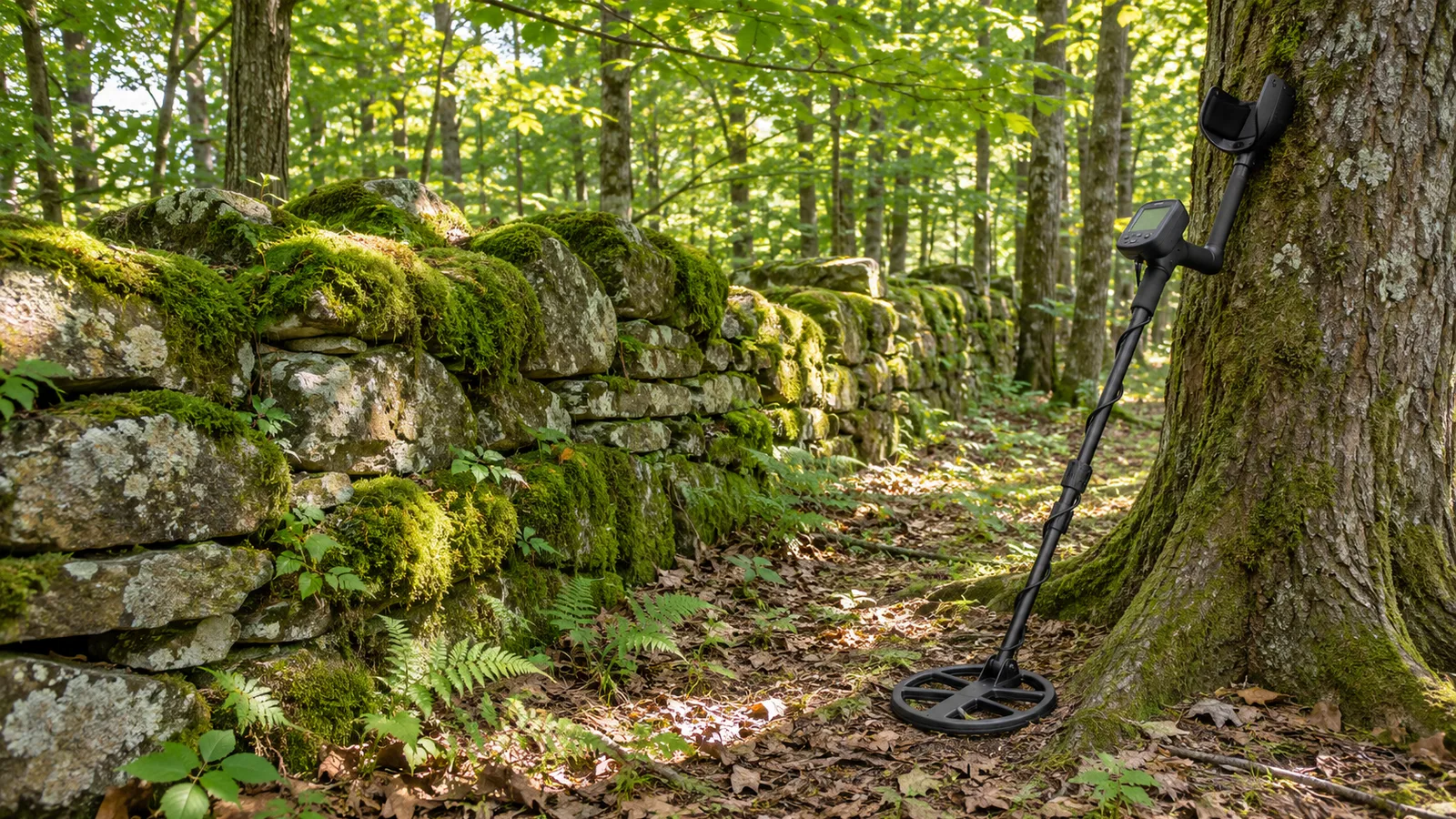
When summer heat turns open pastures into baked brick and weeds reach waist height, metal detecting in the woods becomes my favorite way to spend a Saturday morning. Stepping under a dense canopy of oak, beech, or maple changes the entire experience. The temperature drops ten degrees, the air smells of moss and pine, and best of all, the ground underneath has often remained undisturbed for well over a century.
Farm fields get churned up by plows, sprayed with fertilizers, and swept clean by generations of collectors. Timberland, on the other hand, preserves history in layers. A coin dropped beside a woodland cart path in 1880 rarely migrates more than three or four inches into the leaf mold. However, working among ancient trees brings unique challenges that open-field hunters rarely encounter, from tangled root systems to thick mineralized humus.
Reading the Forest for Signs of Past Activity
You cannot simply wander into twenty square miles of random woodland and expect to find old silver coins right away. People did not roam through deep trackless wilderness without purpose. They followed specific routes, gathered at scenic viewpoints, worked woodlots, and traveled between forgotten settlements. Finding productive ground begins with learning how to read subtle landscape features that nature has tried to hide.
The first sign I look for is an old stone wall. In many parts of the eastern United States and rural Britain, stone boundary walls crisscross modern forests. Those walls originally bordered cleared livestock pastures and farm lanes in the eighteenth and nineteenth centuries. Where two stone walls intersect, or where you find a gap meant for a wooden wagon gate, people frequently stopped to rest, talk, or secure livestock. Those gate gaps are prime spots for dropped pocket change and ornate harness buckles.
Another classic indicator is the presence of ancient, wide-spreading trees often called wolf trees. When a forest is young and crowded, trees grow straight and narrow as they compete for sunlight. A tree with massive, low-hanging lateral branches grew up alone in an open pasture a century ago. Farmers and field hands naturally sought the shade of these isolated giants during midday lunches, dropping buttons, pocketknives, and coins at the base of the trunk.
Locating Trails and Old Picnic Spots
Old cart tracks and forgotten roads represent some of the most consistent terrain for woodland relic hunting. When researching trails and old picnic spots, start by looking for sunken lanes. A century of steel-rimmed wagon wheels and horse hooves gradually gouges a trench into the hillside. Even after seventy years of leaf fall, these old roads appear as distinct parallel depressions running through the trees, often flanked by small ridges of displaced dirt.
Scenic overlooks above creeks, natural freshwater springs, and flat clearings near historic village boundaries were popular community gathering grounds during the Victorian and early twentieth-century eras. Churches and social groups routinely held Sunday picnics in private groves. Unlike modern parks that get mowed every Tuesday, these woodland clearings grew over decades ago.
When you locate a suspected picnic spot, look closely for non-native plant species. Clumps of domestic daylilies, wild rose bushes, or periwinkle vines surviving in deep woods almost always point to deliberate human planting. Where you spot domestic flowers blooming beneath wild pines, historic relics are rarely far behind.
Essential Forest Detecting Tips
Swinging a detector between trees requires modifying your physical technique. In an open field, you can develop a wide, rhythmic pendulum sweep. In timberland, you must shorten your stride and use a tight, controlled wiggle around saplings, deadfalls, and boulders. Here are practical forest detecting tips I have picked up through trial and error:
- Use a smaller search coil: Standard eleven-inch stock coils constantly hang up on brush and saplings. Swapping to a six-inch or eight-inch coil makes maneuvering between tight tree trunks effortless and improves target separation near rusted iron trash.
- Protect your search coil: Rocky forest soil and hidden jagged stone edges will crack bare coil plastic quickly. Never swing in timber without a snug coil scuff cover securely taped in place.
- Slow your sweep speed: Decaying oak and pine leaves create a layer of acidic, mineral-rich mulch. Moving your coil too fast over thick forest litter creates false chirps and ground noise. Slow down and let your audio processor separate targets cleanly.
- Carry a heavy-duty hand digger: Standard garden trowels fold in half when prying against oak roots. Invest in a thick, heat-treated steel digger with sharp serrations on one side to cut through small fibrous roots cleanly.
Dealing with Tree Roots and Ethical Recovery
One common mistake beginners make in the woods is attacking thick roots with sharp axes or folding saws. Severing major structural roots can kill a mature tree or make it vulnerable to wind throw during storms. If your pinpointer indicates that a coin is wedged directly beneath a four-inch tree root, take your time. Use a dull probe or your gloved fingers to wiggle the target out from the side rather than hacking through healthy wood.
Forest etiquette is just as strict as park etiquette. Even though nobody is manicuring the forest floor, you must fill every single hole you dig. Leaving open craters creates trip hazards for hikers, damages wildlife habitats, and infuriates forestry managers. Always push the subsoil back in, press it down with your boot heel, and pull the layer of dead leaves back over the top so the ground looks undisturbed when you walk away.
In digital hobby simulators like MetalHunter, players can wander through digital forest maps without snagging their headphones on low branches or swatting deer flies, but in real timberland, patience and situational awareness make all the difference. Keep a compass or a reliable offline GPS app running on your phone, because deep woods have a way of looking identical in every direction once you spend three hours staring down at the ground.
Forest Regulations and Safety
Before stepping into the timber, verify who owns the land and what regulations apply. In the United States, metal detecting in National Forests is generally permitted for modern coins, but the Archaeological Resources Protection Act strictly prohibits disturbing or removing historical artifacts over one hundred years old. State parks often have strict blanket bans. In the United Kingdom, Forestry England land requires specific permits, and private woodland always demands clear landowner permission.
Be mindful of seasonal dangers as well. Forest ticks carrying Lyme disease thrive in dense brush, so treat your pants and boots with permethrin spray before every outing. Watch out for yellow jacket nests hidden inside rotting logs, and always pack plenty of drinking water in your backpack.
FAQ
What search coil size works best for woodland detecting?
A small elliptical coil or a round coil between six and nine inches is ideal. Large coils catch on twigs, drag against saplings, and struggle to maneuver around massive tree roots where old coins frequently hide.
Do thick blankets of fallen leaves hide deep targets?
Yes. Three or four inches of fluffy, uncompressed leaf litter holds your search coil several inches above the actual mineral dirt. Whenever I hunt promising trails, I gently kick aside the loose top layer of leaves with my boot before sweeping the coil over the ground.
How can you tell an old road from a natural water runoff ditch?
Old roads maintain a relatively consistent width and gentle grade designed for horse carts, and they often feature parallel stone walls or uniform tree lines on either side. Natural drainage gullies tend to have steep, ragged edges, erratic paths, and sharp drop-offs.
What should you do if you encounter unexploded military ordnance in the woods?
Old firing ranges and wartime training areas often hide rusted artillery shells and practice mortars. Never touch, move, or strike rusted munitions. Mark the spot with bright tape, take GPS coordinates, back away carefully, and report the find immediately to local police or emergency services.