Where to Sell Old Coins: Dealers, Online, and Fair Value
When your collection outgrows your storage binders, finding the right buyer matters. Here is how to choose the right selling option and get honest value for your finds.

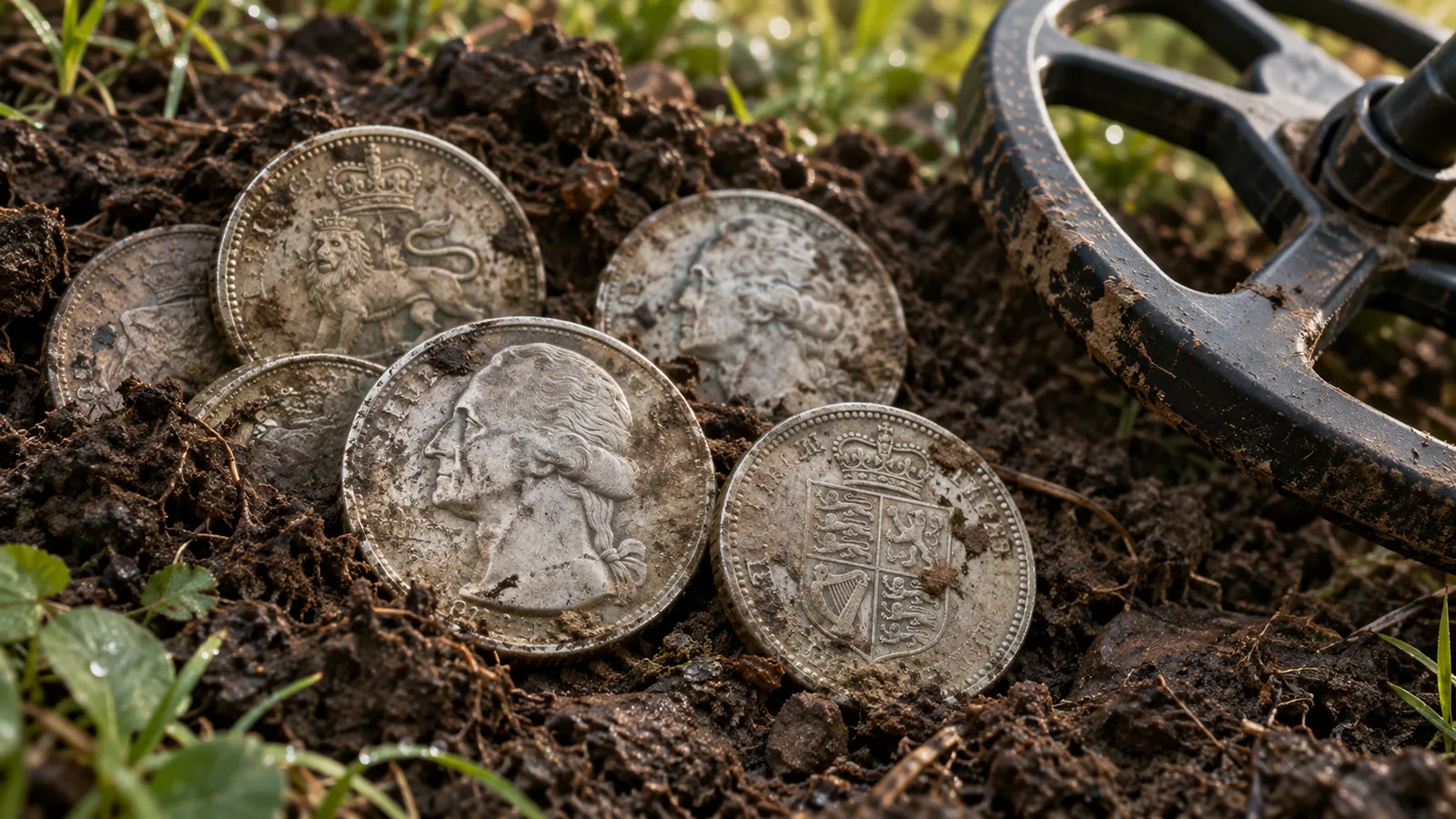
After five years of swinging a metal detector across old pastures and riverbanks, my wooden desk drawers were bulging with cigar boxes full of duplicate silver dimes, worn copper cents, and mystery relics. A hunting partner suggested I unload the excess to fund a new search coil, but I had no idea where to sell old coins without getting shortchanged. My first instinct was to walk into a roadside pawn shop with a jar of worn quarters. The clerk gave the jar a disinterested glance, tossed it onto a battered postal scale, and offered twenty-five cents on the dollar for the silver weight. I picked up my jar, walked right out the door, and spent the next several months learning how the secondary market really operates. Finding the right buyer requires understanding the nature of your items, knowing your legal boundaries, and choosing the proper channel for each specific type of coin or relic.
Selling your surplus does not mean dumping everything in one place. By matching your items to the right marketplace, you protect the historical value of your collection while earning fair compensation for your field hours.
Categorizing What You Own Before Approaching Buyers
Before you offer a single piece for sale, you must organize your inventory into distinct categories. Mixing high-grade collector pieces with ordinary bullion or worn ground-recovered relics guarantees that you will leave money on the table.
Start by separating common-date circulation silver into one pile. These pieces, often referred to as junk silver, carry value based almost entirely on the spot price of precious metal. You do not need to inspect every worn 1958 Roosevelt dime under a microscope; buyers purchase them in bulk by face value or weight.
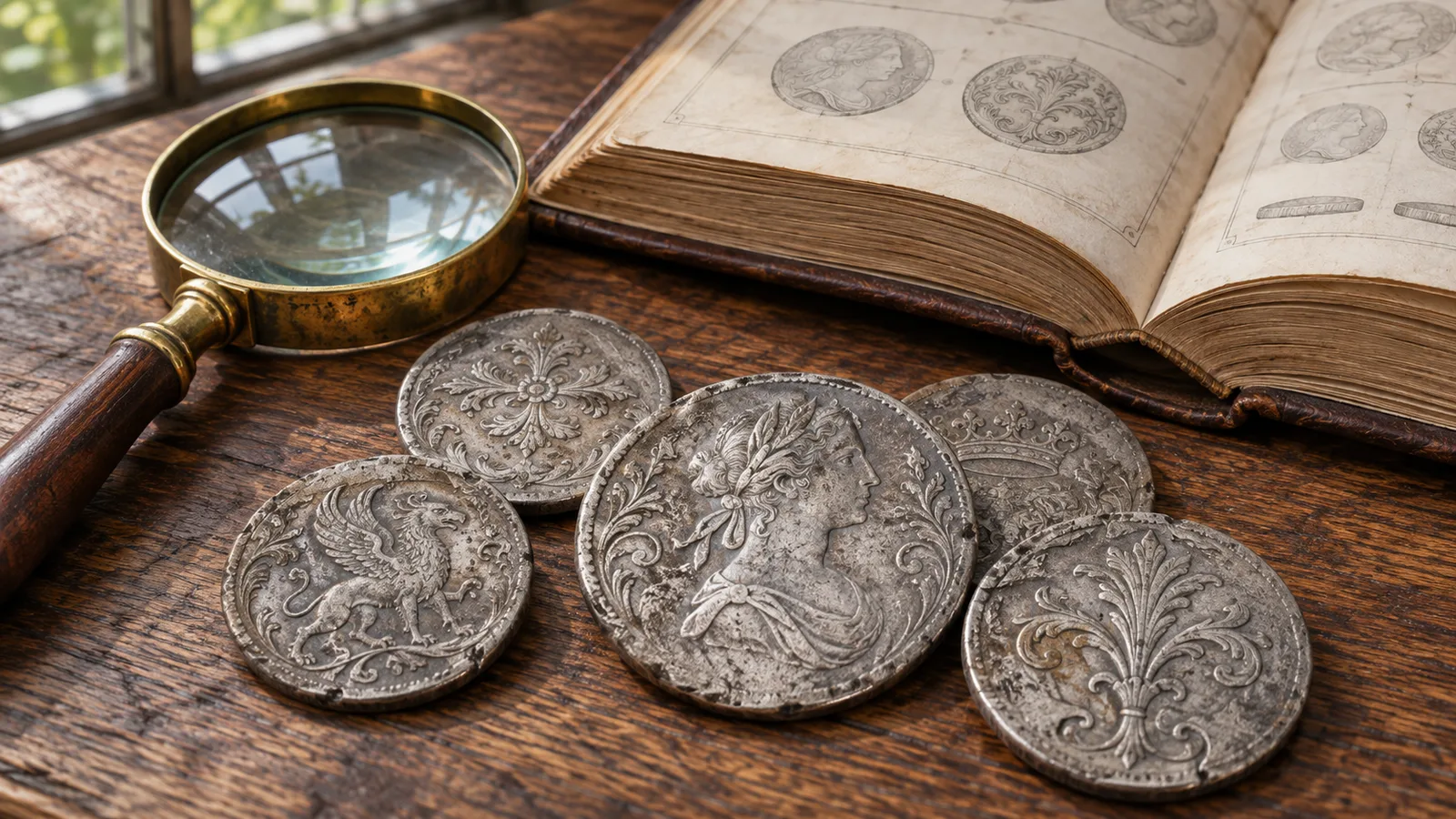
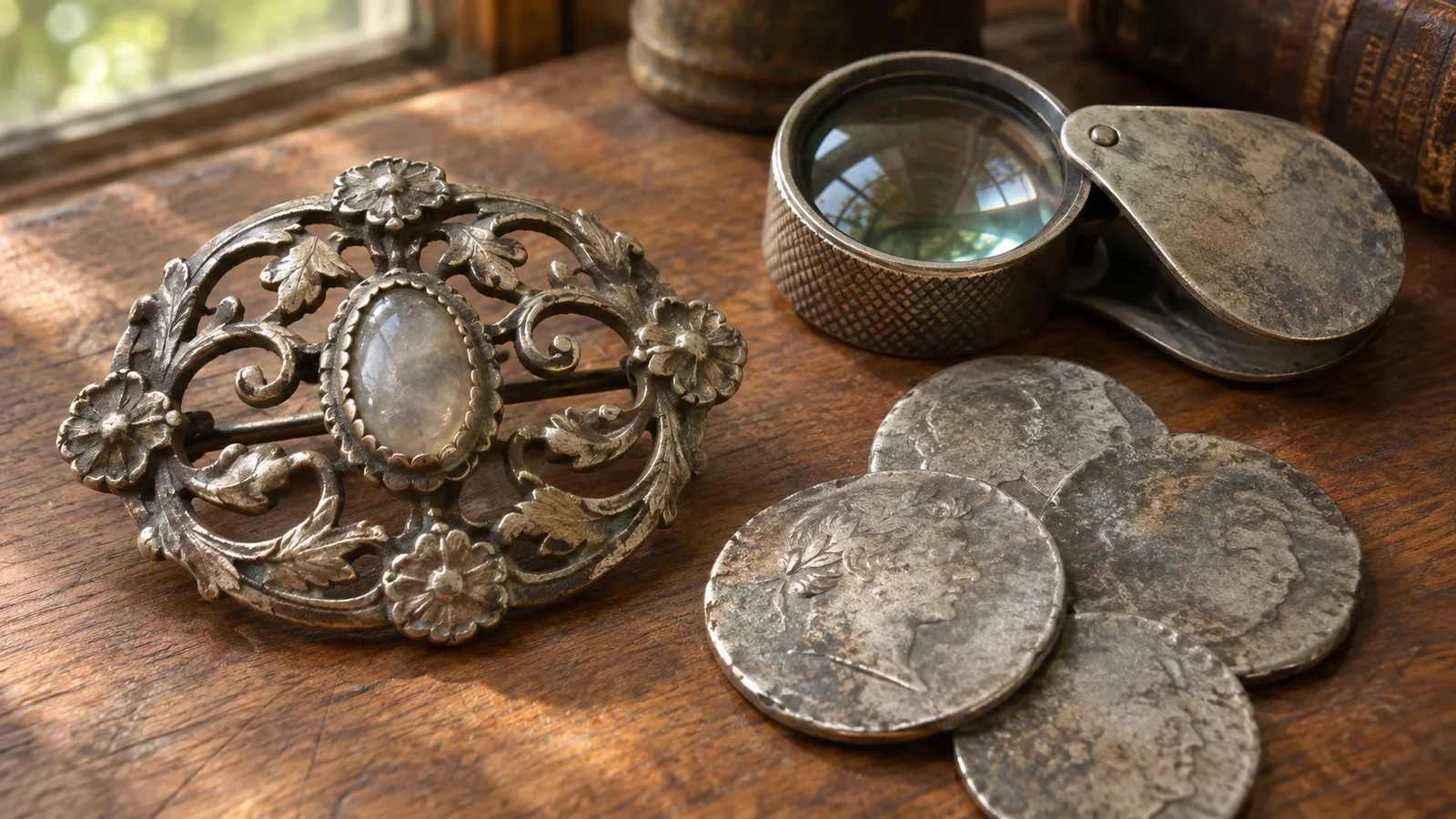
Next, identify potential numismatic coins: key dates, mint marks, uncirculated survivors, or tokens with historical provenance. These appeal to specialized collectors who pay premiums well above metal melt value. Finally, set aside unusual historical artifacts like belt plates, trade tokens, and buttons, which attract relic collectors rather than traditional coin purists.
Weighing the Options: Coin Dealers vs Online Marketplaces
When deciding how to liquidate your surplus, you face a trade-off between speed and profit margin. Comparing coin dealers vs online venues reveals clear advantages and drawbacks for both routes.
Local Coin Shops (LCS): Selling to an established brick-and-mortar dealer offers immediate payment and zero shipping headaches. A reputable dealer belonging to professional groups like the American Numismatic Association (ANA) or the British Numismatic Trade Association (BNTA) will evaluate your coins quickly. However, dealers carry retail overhead and must make a profit margin when reselling, typically offering sixty to eighty percent of wholesale book value for collectible pieces and a small percentage back of spot for silver bullion. If you need cash today or have a large hoard of heavy silver, local dealers are tough to beat.
Online Marketplaces and Collector Forums: Platforms like eBay, specialized auction websites, and community message boards let you reach thousands of enthusiastic hobbyists directly. By eliminating the middleman, you can often achieve full collector market value. The trade-off is significant labor: you must take sharp macro photographs, write accurate descriptions, purchase padded mailers, pay platform fees of twelve to fifteen percent, and risk lost parcels or unwarranted buyer disputes. For scarce key-date coins or high-interest relics, the extra work is usually worth the higher payout.
Pawn Shops and Traveling Gold Buyers: As a general rule, avoid these entirely for numismatic material. Traveling hotel buyers and pawn shops cater to quick liquidations and rarely employ experienced numismatic appraisers. Their purchase offers are frequently a fraction of what a real coin dealer would pay.
The Legal Realities of Selling Metal Detecting Finds
A responsible detectorist must be well-versed in the legalities surrounding selling metal detecting finds. The laws governing buried historical objects vary dramatically depending on the country and jurisdiction where they were unearthed.
In the United Kingdom, any discovered object that falls under the statutory definition of the Treasure Act (such as hoards of prehistoric metalwork or gold and silver objects over three hundred years old) must be legally reported to the coroner within fourteen days. Selling undeclared treasure is a serious criminal offence that can result in prison time. Non-treasure finds should be recorded with the Portable Antiquities Scheme (PAS). In addition, standard detecting agreements in the UK require splitting any sale proceeds fifty-fifty with the freehold landowner whose property you searched.
In the United States, selling artifacts removed from public federal lands or state parks violates the Archaeological Resources Protection Act (ARPA) and state antiquities statutes. You may legally keep and sell finds only if they were recovered on private land with the express permission of the landowner. Always be transparent about an item's provenance and condition. Never conceal ground pitting or environmental corrosion under heavy oil or clever photo filters.
Taking a Break with Virtual Treasure Hunting
Dealing with shipping labels, postal insurance, and buyer inquiries can turn a relaxing hobby into an administrative chore. When I want to experience the fun of turning dirt into currency without trips to the post office, I boot up an entertaining mobile game. In the Android simulator MetalHunter, you can sell your dug coins at a virtual auction, trade artifacts, and haul truckloads of heavy scrap iron to the scrap yard for quick game funds. It gives you all the satisfaction of clearing out your collection with none of the real-world paperwork.
Preparation Tips That Protect Your Payout
If you want to achieve fair prices when selling, keep a few golden rules in mind. First, never clean your coins before presenting them to a buyer. A layer of dark, original patina is proof of age; scrubbing a coin shiny instantly cuts its value in half because buyers know how to spot telltale cleaning scratches.
Second, invest in inexpensive cardboard coin flips or clear plastic capsules to present your items neatly. An organized collection shown in labeled flips signals to a dealer that you understand the hobby, making lowball offers far less likely. Finally, check recent completed auctions on reputable websites rather than active asking prices. Anyone can ask a thousand dollars for a common penny; what matters is the price a real buyer actually paid.
| Selling Channel | Typical Payout % of Retail | Transaction Speed | Seller Effort Required | Best Suited For |
|---|---|---|---|---|
| Local Coin Shop | 65% to 80% | Immediate (cash on the spot) | Low | Bulk junk silver, common bullion, mid-tier coins |
| Online Auctions (e.g. eBay) | 80% to 90% (after fees) | 1 to 2 weeks | High (photos, packing, shipping) | Key dates, scarce varieties, popular relics |
| Collector Forums / Direct | 85% to 95% | A few days to a week | Moderate | Tokens, specialized historic buttons, silver rounds |
| Specialist Auction House | 75% to 85% (after commission) | 1 to 3 months | Low to moderate | Rare high-value specimens, major historical hoards |
FAQ
Do coin dealers charge a fee to appraise a collection?
Most local coin dealers will review a small box of coins and provide a verbal purchase offer free of charge if you are interested in selling to them. Formal written insurance appraisals usually require an hourly fee.
Can I sell old coins directly to a bank?
Banks will only accept circulating legal tender at face value. Handing a vintage silver quarter to a bank teller will yield exactly twenty-five cents, throwing away its precious metal bullion premium.
What should I do if a buyer claims a coin was lost in the mail?
Always ship collectible coins using tracked, insured postal services with signature confirmation on higher-value packages. Without tracking proof, online payment processors will automatically side with the buyer in dispute cases.
What if I find a rusty mortar shell or explosive canister while detecting?
Never pick up or try to transport unexploded munitions to sell as military scrap. Back away carefully, record the position from a distance, and call 911 or 999 immediately so bomb disposal teams can secure the area.